April 20, 2026
If you have ever had to replace a roof, you know it is not a small decision. It affects your home’s protection, energy efficiency, resale value, and long-term maintenance costs. It is one of the largest structural investments you will make, and the results will influence your home’s performance for decades. As a roofing contractor will often explain, the right material makes a measurable difference over time, not just in the first few years after installation.
Metal roofing has gained steady attention for good reason. Homeowners today are thinking beyond short-term affordability and focusing on durability, sustainability, and long-term value. They want a roof that performs consistently without constant upkeep. From the perspective of an experienced roofing contractor, metal roofing continues to stand out as a practical, resilient, and forward-thinking solution. Below are seven key benefits of metal roofing, explained in clear, real-world terms.
Investing With Long-Term Durability and Longevity
One of the most significant advantages of metal roofing is its lifespan. While many traditional materials require replacement every 15 to 25 years, metal roofing is built for the long haul. According to This Old House, metal roofing is more expensive than asphalt shingles, but it’s durable and can last for 50 years or longer.
That extended lifespan dramatically changes the cost equation. Instead of planning for multiple roof replacements over the life of a home, many homeowners install metal once and do not worry about it again. A roofing contractor will typically frame this as a generational investment rather than a temporary fix.
Durability also extends beyond simple age. Metal roofs resist cracking, warping, and splitting, which are common problems with other materials. They also hold up well against expansion and contraction caused by seasonal temperature swings. Over time, that resilience translates into fewer disruptions, fewer repair appointments, and more predictable ownership costs. For homeowners who plan to stay in their homes long term, durability offers peace of mind. For those considering resale in the future, longevity becomes a compelling selling point.
Protecting With Superior Weather Resistance
Weather is one of the most aggressive forces your home faces. Heavy rain, hail, high winds, snow loads, and dramatic temperature shifts all test the limits of roofing materials. Metal roofing is engineered to handle these extremes with strength and consistency.
Many systems are rated to withstand significant wind speeds and impact. Interlocking panels and secure fastening systems help prevent uplift during storms. A qualified roofing contractor will evaluate your local weather patterns and recommend panel profiles and fastening methods that maximize performance.
Unlike materials that absorb moisture, metal sheds water efficiently. Snow slides off more easily, reducing excess weight on the structure and lowering the risk of ice dam formation. In regions that experience heavy storms, that performance difference becomes especially important. When severe weather hits, the last thing homeowners want to worry about is their roof. Properly installed metal roofing provides a dependable layer of protection when it matters most.
Improving With Energy Efficiency and Cost Savings
Energy efficiency plays a larger role in home improvement decisions than ever before. Metal roofing reflects a significant portion of solar radiation, which reduces heat absorption during warmer months. This reflective capability helps keep attic temperatures lower and reduces strain on cooling systems.
Lower heat gain means your HVAC system runs more efficiently. Over time, this can lead to noticeable savings on monthly energy bills. A roofing contractor can also discuss cool-roof coatings and color options that further enhance reflectivity and thermal performance.
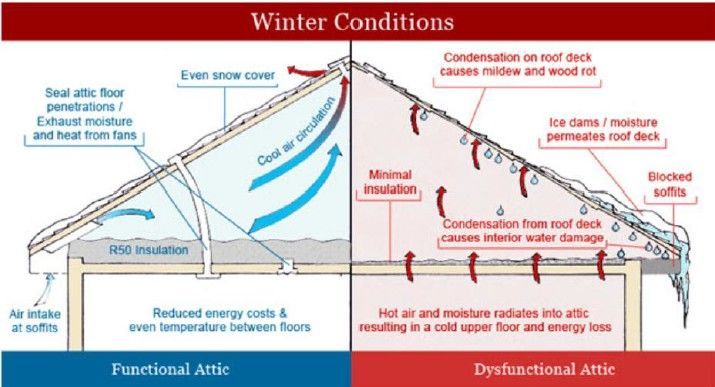
In colder climates, metal roofing works effectively with proper insulation systems. By helping regulate internal temperatures, it contributes to balanced energy consumption year-round. Some systems are designed to improve ventilation beneath the panels, which enhances overall efficiency. When homeowners think beyond the initial installation and consider decades of energy use, the efficiency advantage becomes clear.
Reducing With Minimal Maintenance Requirements
Roof maintenance can be both costly and inconvenient. Replacing damaged shingles, sealing leaks, and scheduling frequent inspections create ongoing responsibilities. One of the most appreciated benefits of metal roofing is its low maintenance demand.
When installed by an experienced roofing contractor, metal roofs are designed to resist many of the issues that affect traditional materials. They do not rot, split, or absorb moisture. Protective finishes guard against corrosion, even in humid or coastal environments.
Because metal panels are manufactured in large sections, there are often fewer seams compared to smaller shingles. Fewer seams reduce the potential entry points for water infiltration. That design advantage contributes to long-term reliability. While periodic inspections are still recommended, homeowners typically experience fewer surprise repairs. The consistency of performance makes budgeting simpler and reduces stress over time.
Enhancing With Versatile Style and Curb Appeal
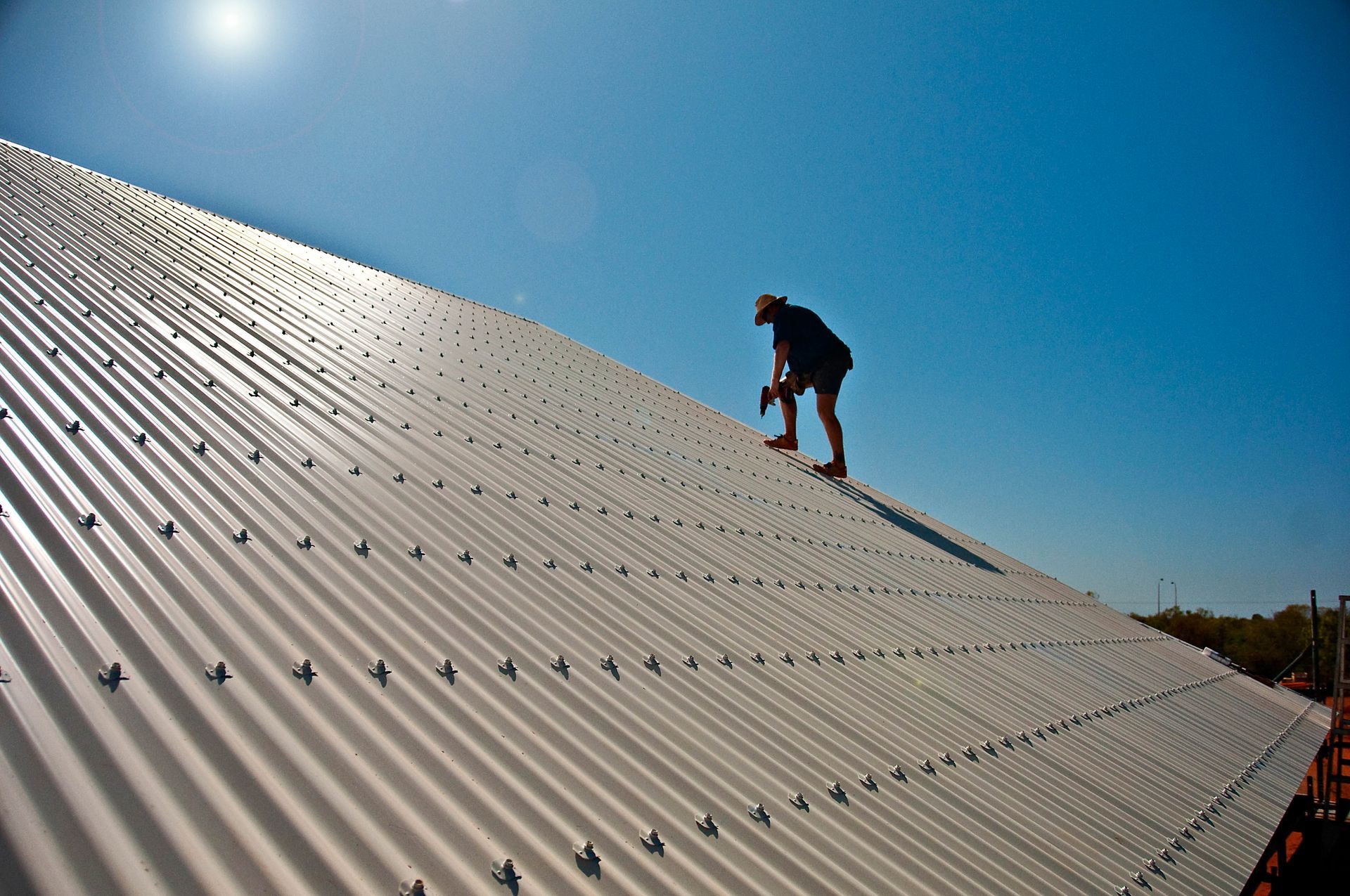
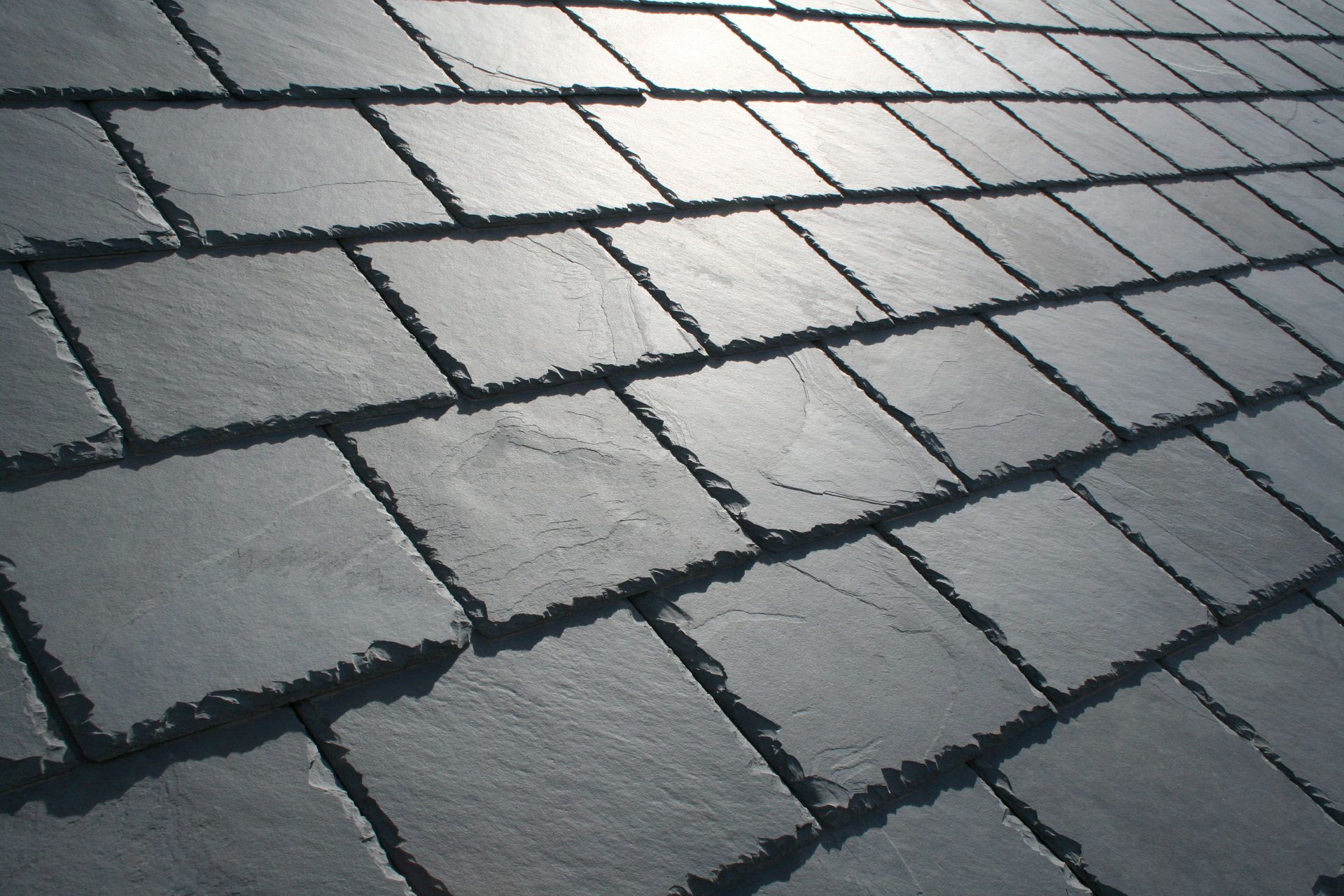
Metal roofing has evolved significantly in appearance. Today’s options go far beyond the utilitarian metal panels commonly associated with barns or industrial buildings. Modern systems can replicate the texture and look of slate, clay tile, or even wood shake.
Color choices are extensive, allowing homeowners to coordinate with siding, trim, and landscaping. A skilled roofing contractor can walk through design options that align with both aesthetic preferences and architectural style.
The clean lines and crisp finishes of metal roofing often give homes a modern, updated appearance. In neighborhoods where exterior presentation matters, this visual upgrade can make a meaningful difference. Curb appeal is not just about looks. It also influences perceived value. A well-installed metal roof signals quality craftsmanship and long-term durability to potential buyers.
Supporting With Environmental Sustainability
Sustainability continues to influence construction choices across residential markets. Metal roofing supports environmentally responsible building practices in multiple ways. Many metal roofing products contain recycled materials and can be fully recycled at the end of their lifespan.
Because metal roofs last significantly longer than asphalt shingles, they reduce the frequency of tear-offs and landfill waste. Over decades, that reduced waste adds up. A roofing contractor familiar with green building standards can also explain how metal roofing contributes to energy-efficient home certifications.
The reflective properties that improve energy efficiency also help reduce overall power consumption. Lower energy use translates to fewer carbon emissions associated with heating and cooling.
For homeowners seeking a durable product that aligns with environmental values, metal roofing offers a balanced and practical solution.
Strengthening With Added Safety and Fire Resistance
Safety is a priority in any roofing decision. Metal roofing is non-combustible, which makes it especially beneficial in areas prone to wildfire risk. Unlike wood-based materials, it does not ignite from stray embers. This fire-resistant characteristic may influence insurance considerations, depending on location and policy structure. A roofing contractor can provide fire-rating information and explain how metal roofing meets specific safety standards.
Beyond fire resistance, metal roofing offers structural stability. Secure installation systems are designed to withstand uplift and impact forces. That strength contributes to the overall safety of the home and its occupants. For families thinking long term, added safety features provide reassurance that extends well beyond appearance or cost.
Selecting a roofing material requires balancing upfront investment with long-term performance. While metal roofing often involves a higher initial cost, its extended lifespan, energy efficiency, minimal maintenance needs, and structural resilience frequently outweigh that difference over time.
From the perspective of an experienced roofing contractor, metal roofing consistently delivers value across critical categories: protection, efficiency, sustainability, safety, and visual appeal. It is not just a surface upgrade; it is a strategic improvement that supports the overall integrity of the home. If you are evaluating your roofing options and want guidance grounded in durability, performance, and long-term return on investment, contact New Life Contracting, Inc.