September 18, 2026
Maintaining a home’s exterior is an ongoing responsibility that pays off over time. In this article, we will explore the important aspects of roof inspections conducted by professional roofing contractors. Understanding these key areas will help homeowners maintain their properties and extend the life of their overhead systems. An assessment can highlight potential issues early, saving property owners from costly setbacks. Qualified roofing contractors have the expertise to identify subtle problems that might not be visible to the untrained eye. By routinely monitoring the exterior, you can ensure your home remains fully protected. Let us look at the specific elements evaluated during a thorough walk-through to help you prepare for your next inspection.
Evaluating Structural Integrity With Care
A vital component of any exterior inspection is evaluating the core structural integrity. Highly trained roofing contractors pay close attention to sagging sections, as these cues can indicate deeper issues with the support system. Problems might arise from poor design, inadequate materials, or gradual damage due to environmental factors. Inspecting the structural aspects of a building helps identify potential hazards and ensures the structure performs effectively. Stability is crucial to maintaining essential functions and remains a top priority in any examination. Another pivotal aspect of ensuring structural integrity is the inspection of gutters and downspouts. These components direct water flow away from the foundation, preventing rot. Workers look for signs of rust, blockage, or detachment, which lead to water pooling. Properly functioning gutters improve durability and contribute to environmental health. Deck, fascia, and soffit stability is also critical to prevent costly interventions. Proper attic ventilation is also examined to ensure adequate airflow prevents moisture buildup.
Assessing Your Roof Materials With Precision
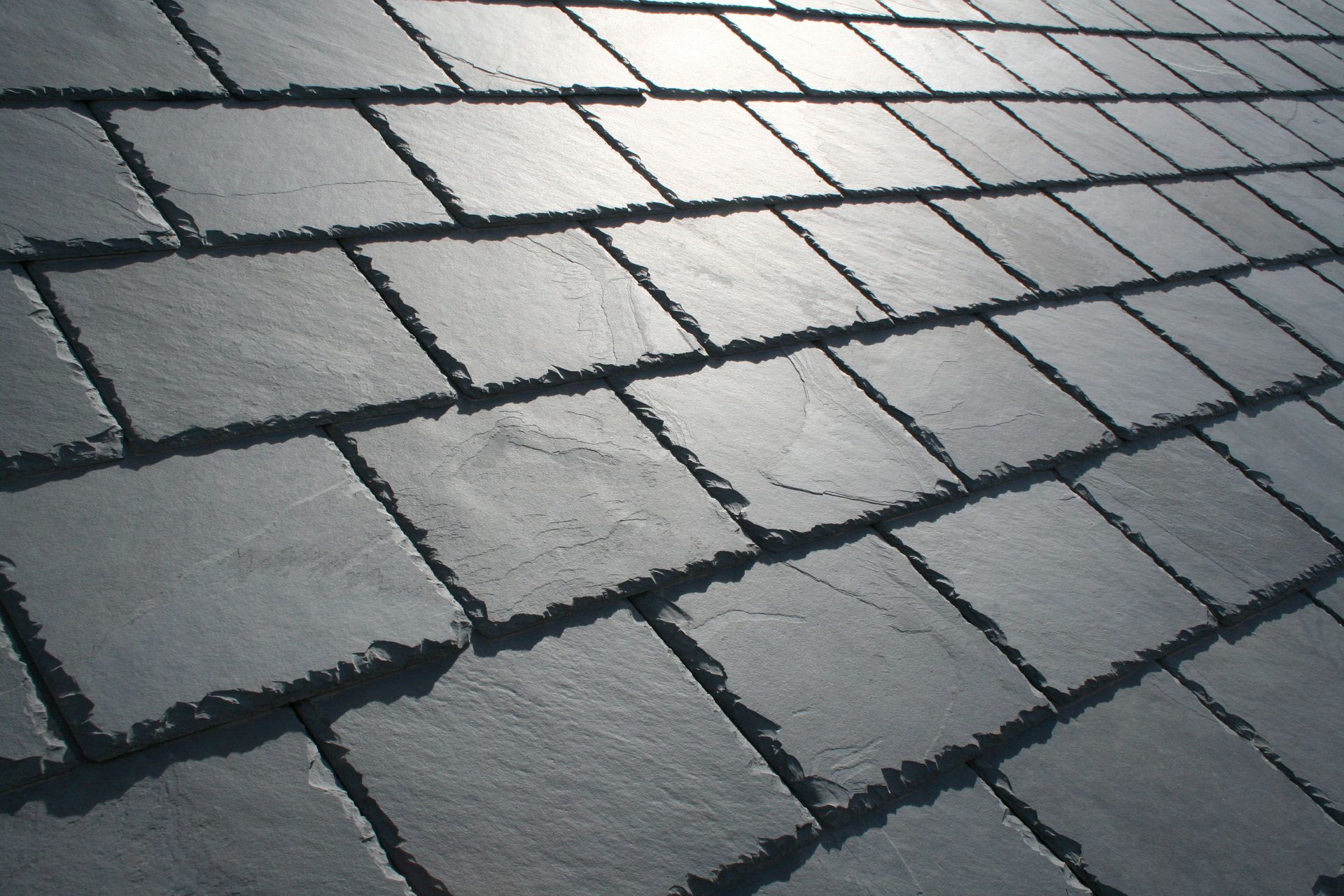
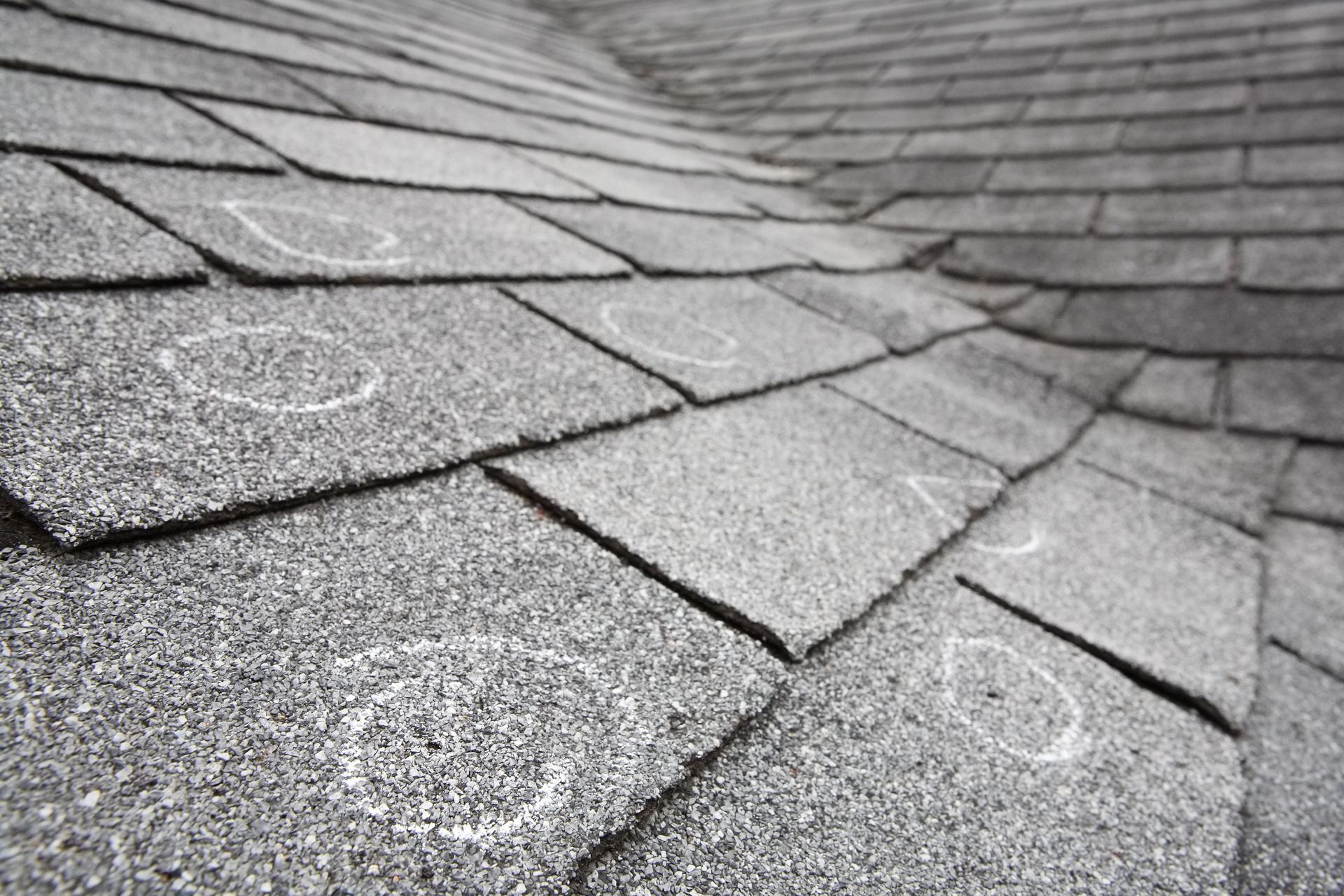
The physical materials covering your home play a critical role in long-term performance. Knowledgeable roofing contractors focus their inspections on identifying any shingle or tile damage that could undermine protective capabilities. This includes checking for cracked, missing, or curled shingles, which expose underlying materials to harsh elements. Detecting these damages early allows for proactive measures, preventing further deterioration. Therefore, understanding the current condition of your materials is essential for maintaining a durable overhead system. Teams also check for cracking and blistering on the surface. This damage can indicate weathering, poor material quality, or initial issues with the roof installation process. Cracking allows water infiltration, leading to interior leaks and widespread damage. Finally, signs of granule loss on shingles are an important part of the assessment. Granules protect shingles against ultraviolet rays and add necessary weight. A noticeable loss can signal the end of a shingle’s effective lifespan. According to RubyHome, a typical roof lasts between 20 and 50 years, heavily depending on the type of roof and material quality.
Checking Flashing and Sealants for Leaks
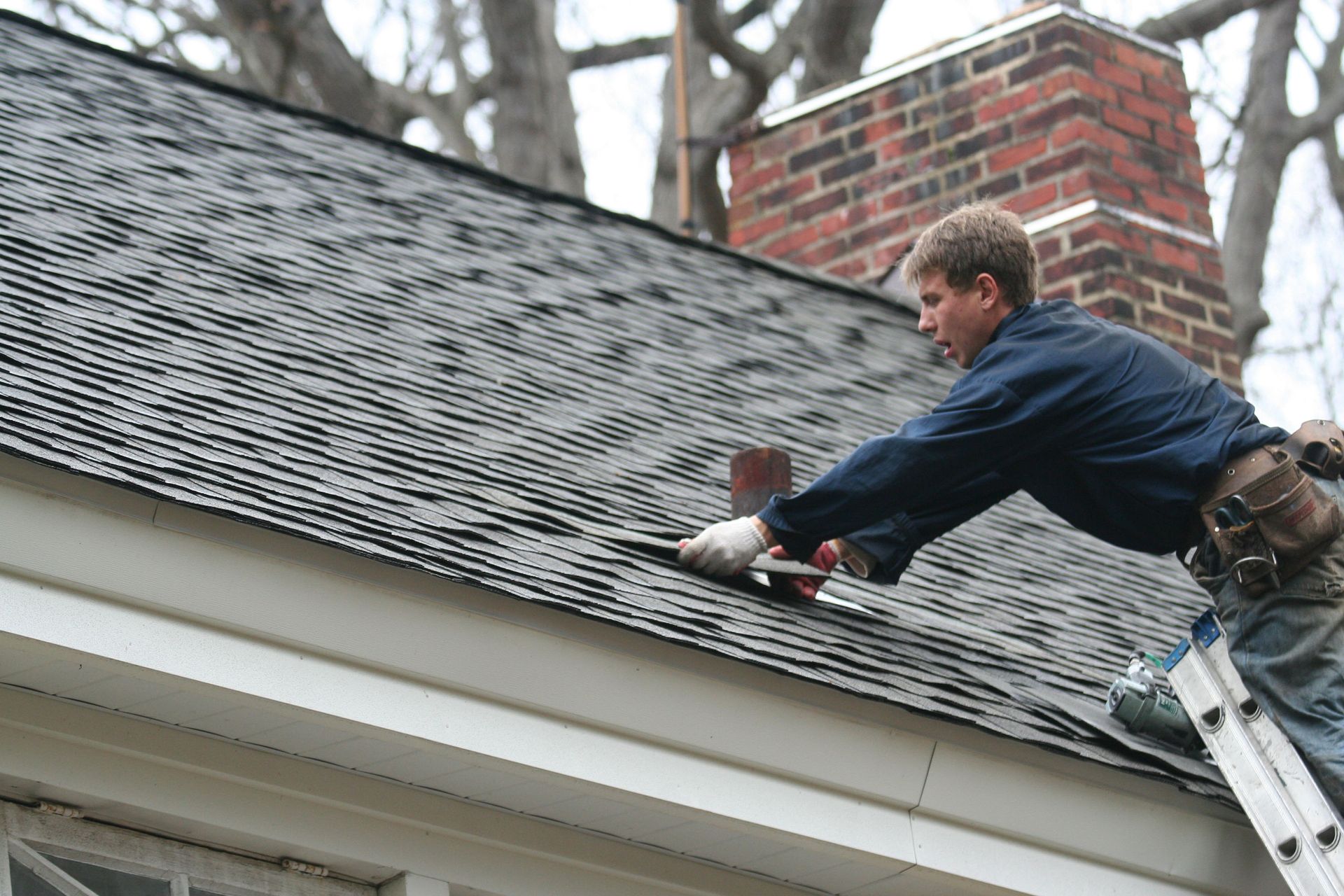
Roof flashing and sealants serve as essential defenses against unwanted water intrusion. Inspectors pay particular attention to these vulnerable areas because improper application or long-term wear can inevitably lead to leaks. Chimney flashing is a common area of concern, as it must effectively seal the joint between the chimney and the main structure. Any gap or deterioration in this metal flashing can lead to significant water damage inside the home. Ensuring chimneys are completely watertight helps maintain the overall health and longevity of the entire system. Skylights and vents are additional penetrations requiring meticulous inspection. The sealing around skylights must be completely intact to prevent continuous leaks that damage interior spaces. Vent and penetration seals are equally critical, as they prevent moisture entry and regulate internal attic conditions. Experienced roofing contractors assess the condition of these installations carefully to confirm their lasting integrity. Any deterioration found in these areas signals the immediate need for roof repairs to maintain a secure environment. Valleys and joints are subjected to heavy water flow, requiring secure seals to avoid extensive leaks.
Identifying Signs of Water Damage Promptly
Water damage is a central concern for skilled roofing contractors during routine inspections. Identifying interior water stains on ceilings can indicate active leaks that have made their way into the home’s main living areas. These unsightly stains are often symptomatic of issues like cracked shingles, poor flashing, or heavily clogged gutters. Early detection of water intrusion is absolutely critical to prevent further damage to foundational components of the property. By addressing early warning signs promptly, homeowners protect their valuable assets and prevent the need for extensive interventions. Mold and mildew growth are other potential indicators of steady water intrusion. Teams check for these concerning signs in the attic and along interior ceilings. Mold not only damages wooden structures but poses significant health risks to residents. Inspecting attic insulation for moisture is a crucial part of evaluating potential water damage. Moist insulation signals a hidden leak that negatively affects energy efficiency and promotes mold growth. Taking immediate action on these findings helps maintain energy efficiency and avoid structural impairment.
Inspecting Roof Penetrations With Great Detail
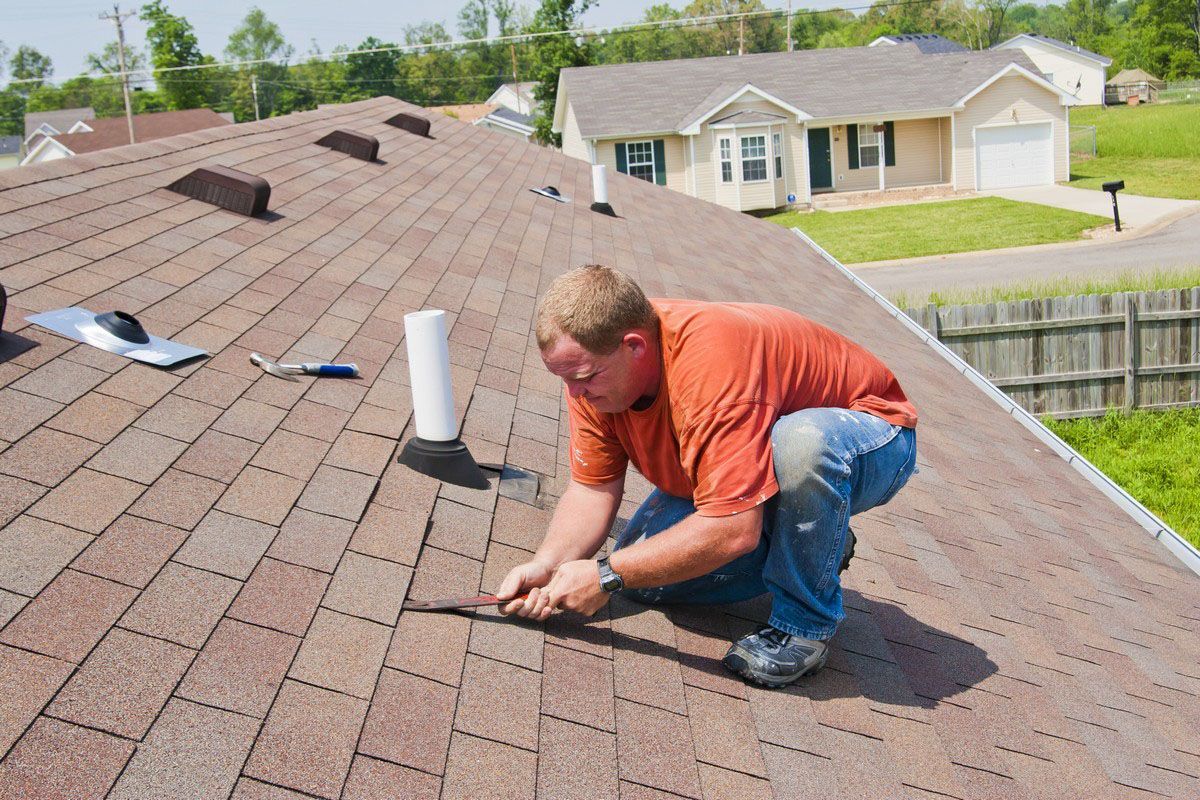
Roof penetrations serve necessary functional purposes, but they also need diligent inspection during an assessment. Assessors will evaluate the integrity of vents and pipes, ensuring they are sealed tightly and show no signs of wear or damage. Faulty seals around penetrations allow water ingress, leading to devastating leaks that compromise the interior. The physical state of the seals is crucial to maintaining the barrier against outside elements. Diligent inspection by experienced roofing contractors is needed during an assessment to prevent minor issues from turning a simple $10 repair into costly damage. Examining the overall condition of a chimney involves checking both the integrity of the masonry structure and its seal with surrounding materials. A well-maintained chimney provides safe venting of dangerous gases without the constant risk of leaks. Addressing masonry issues prevents water intrusion and structural erosion around the chimney area. Whether you need window services or broad commercial roofing support, ensuring your building envelope is secure remains vital. Additionally, analyzing the condition of solar panel mounts and satellite dishes ensures these modern additions do not harm structural integrity. Proper installation and regular inspections are crucial to maintaining a fully leak-proof barrier.
Reviewing Your Drainage System With Care
A property’s exterior drainage system is vital to preventing water damage and ensuring the structure remains in optimal condition. The thorough inspection of gutter systems is essential to confirm they are functioning exactly as intended. Dedicated roofing contractors look for hidden clogs, severe misalignment, or extensive damage that obstruct natural water flow. Regular maintenance of these vital systems – when done correctly – prevents water from pooling overhead or flooding around the home's delicate foundation. Optimal drainage sustains the overarching system while safeguarding the home from heavy rain-related threats. Accurate analysis of downspout discharge points is another critical component of drainage system evaluation. Downspouts should divert water away from the foundation, and workers pay careful attention to proper positioning. Blockages in downspouts rapidly cause water to back up and violently spill over gutters, resulting in severe damage to exterior walls. If exterior damage occurs, you might eventually require siding replacement or minor siding repair to restore your home’s appearance. Checking for stubborn blockages confirms water can flow unimpeded to downspouts. Proper gutter slope actively promotes efficient water evacuation, which keeps the property in excellent condition.
Understanding these critical assessment aspects helps homeowners identify potential issues early and actively maintain their properties in optimal condition. Professional oversight plays an essential role in ensuring a structure’s longevity and daily functionality by thoroughly evaluating these key elements. With the helpful guidance of professional assessments, property owners can take proactive measures to address minor issues long before they develop into major financial problems. A well-maintained exterior easily remains a strong fortress against various unpredictable weather conditions, consistently sustaining the home's structural integrity. New Life Contracting, Inc. is ready to deliver exceptional service to protect your biggest investment. Our highly trained team firmly believes in proactive care, ensuring your home stays safe year-round. Reach out to us today to schedule your next comprehensive evaluation and secure your property against the elements.