October 20, 2026
Roof leaks are a frustrating, destructive problem for homeowners. Water intrusion damages drywall, encourages mold growth, destroys insulation, and weakens structural framing. Understanding why leaks happen helps property owners take proactive steps before minor moisture issues become serious structural emergencies. Partnering with a reliable roofing service ensures your home remains safe and dry throughout every season.
A resilient home relies on a watertight barrier that withstands severe weather, shifting temperatures, and natural aging. By identifying early indicators of wear, you can address vulnerabilities before water breaches your ceiling. Regular maintenance and professional oversight remain the primary defense against unexpected moisture infiltration.
Prevent Poor Installation Mistakes
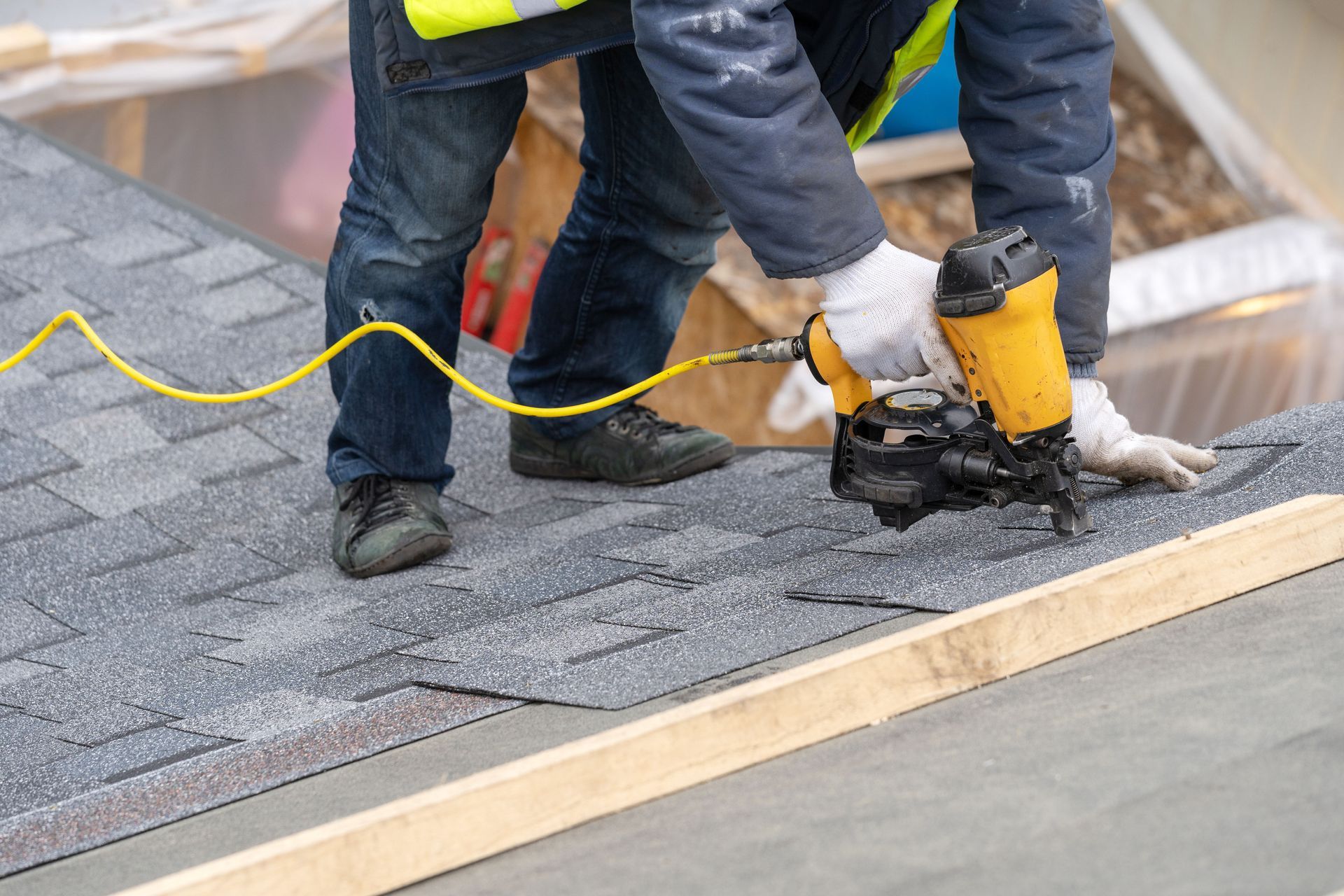
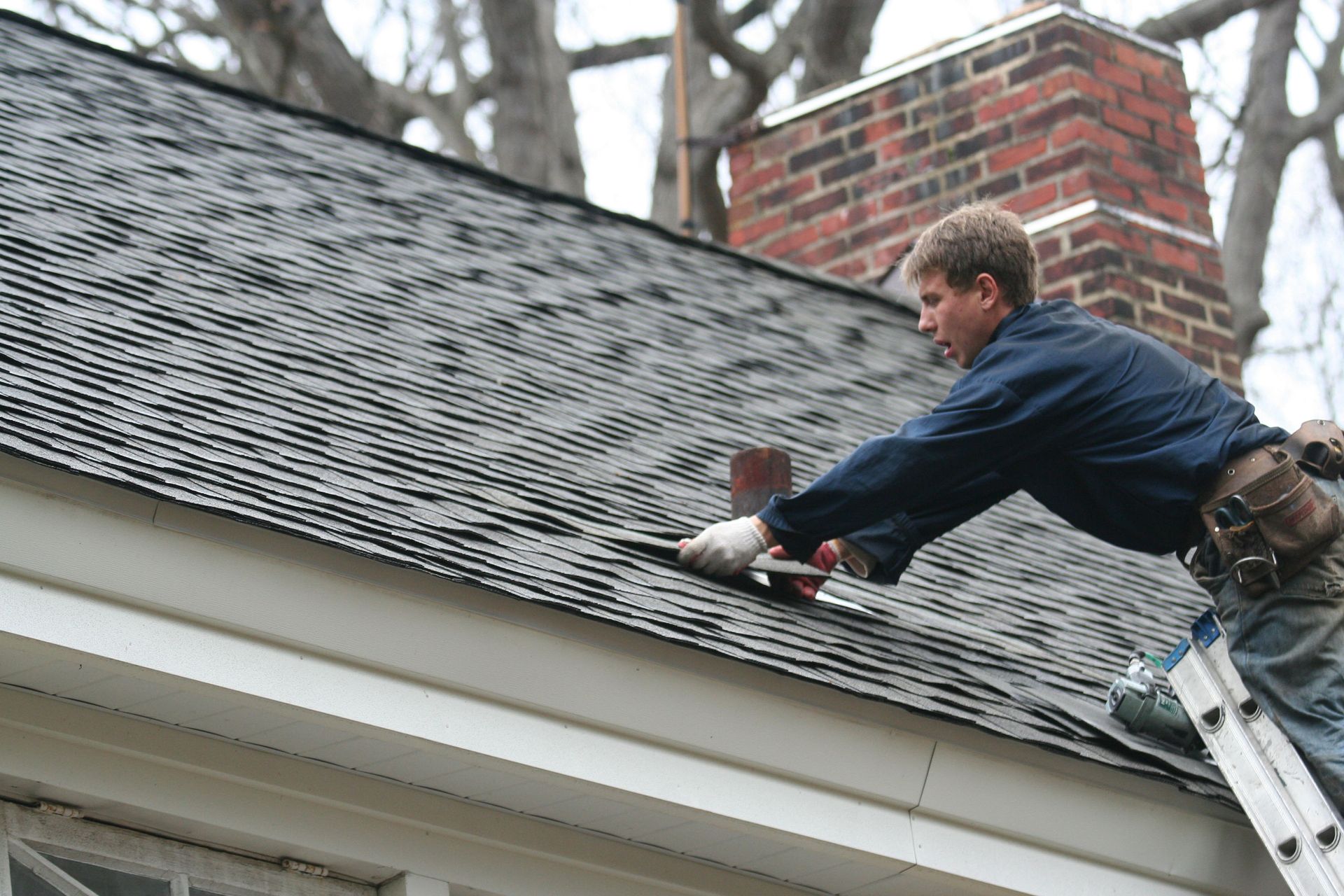
Improper installation techniques create hidden vulnerabilities that allow rainwater to infiltrate a home long before materials reach their expected lifespan. Unqualified workers frequently misalign shingles, fail to overlap underlayment, or neglect essential moisture barriers. When flashing is incorrectly fitted around chimneys or valleys, water trickles past protective layers. A professional roofing service prevents these execution errors by adhering strictly to specifications.
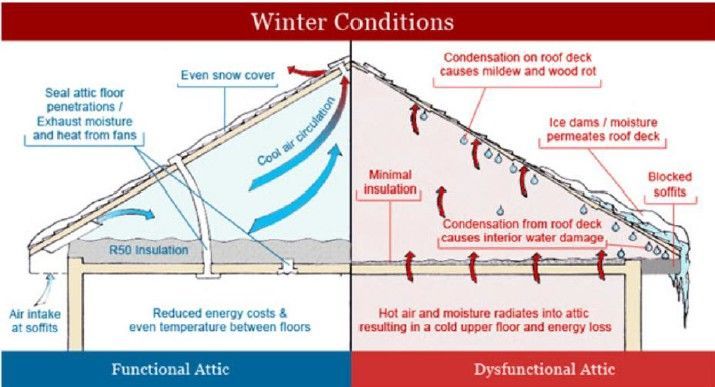
Proper ventilation and insulation balance must also be established during initial construction. Inadequate roof vents cause heat and vapor to accumulate in attic spaces, leading to deck rot and warped supports. Poorly placed insulation compounds moisture retention, creating ideal conditions for mold growth. Qualified contractors evaluate airflow requirements so thermal performance and moisture control remain balanced.
Material selection plays a key role in determining how well a structure resists environmental pressures. Inferior components degrade rapidly when exposed to high winds and heavy rainfall. According to RubyHome, 33% of homeowners replace their roofs due to leaks. Selecting premium materials and securing a dependable roofing service helps property owners avoid premature replacement costs.
Protect Against Weather Damage
Severe weather conditions challenge structural integrity through physical force, moisture accumulation, and extreme temperature swings. High winds lift shingle edges, dislodge metal flashing, and expose bare underlayment to storms. Accumulated rainwater pools in low areas, driving moisture upward beneath compromised materials. Scheduling routine assessments with a certified roofing service helps identify storm damage early.
Winter weather presents unique hazards through ice dams forming along outer roof edges. When snow melts near warm upper roof sections and refreezes at cold eaves, trapped water backs up underneath shingles. Proper attic insulation and consistent ventilation reduce thermal differences, while clear gutters allow melting snow to drain freely. Taking preventive actions before winter minimizes thaw-related water intrusion.
Prolonged sun exposure gradually degrades protective surfaces through ultraviolet radiation, causing asphalt shingles to lose granules and become brittle. Hail impacts create subtle fractures that break waterproof seals without causing immediate collapse. Inspecting the property after severe storms ensures minor surface fractures are repaired before rainfall breaches the underlying deck structure.
Address Material Degradation Early
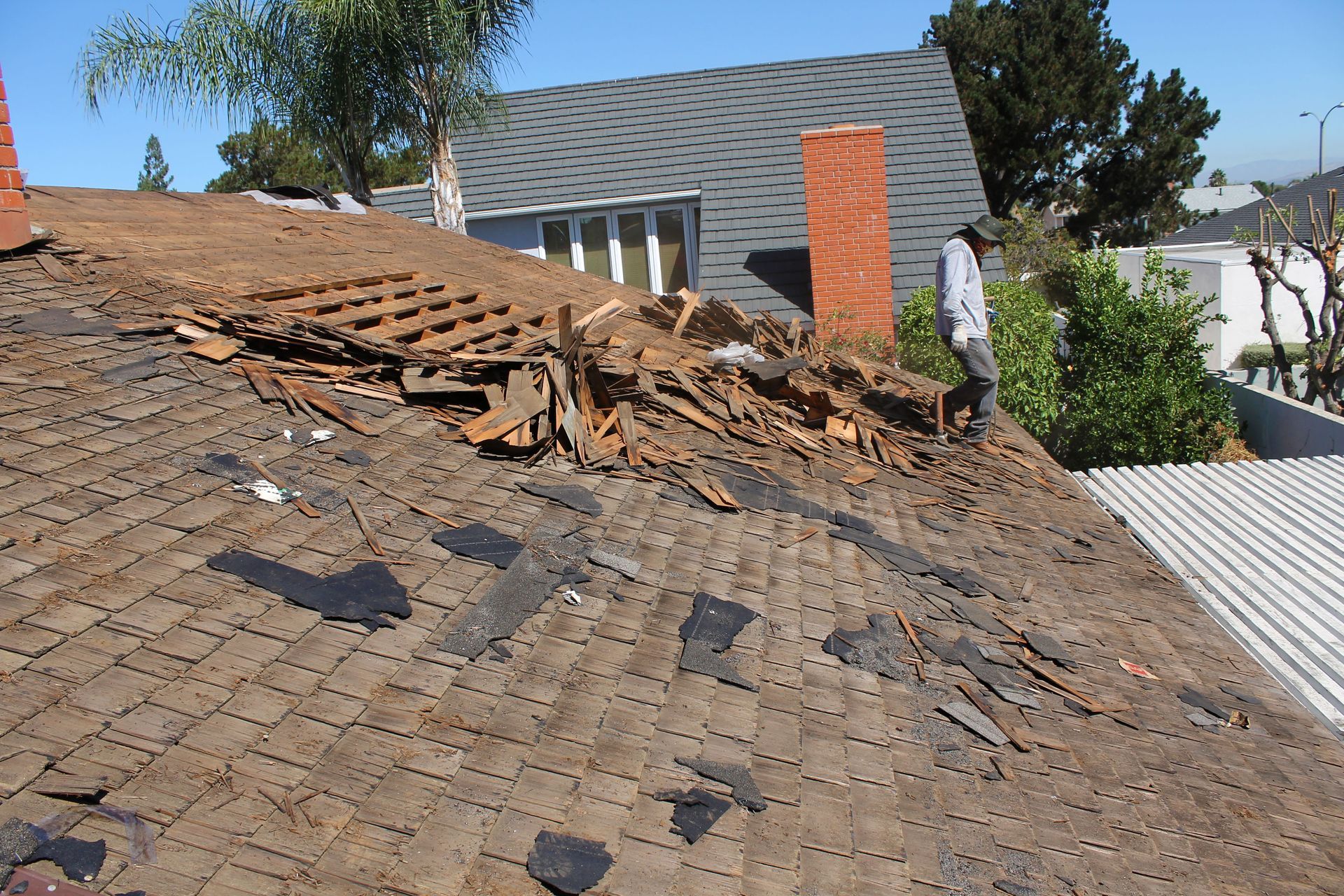
All roofing materials experience natural wear as they age and remain exposed to the elements. Over time, asphalt shingles shed protective granules, curl at edges, and crack under fluctuating temperatures. As these protective layers erode, the underlying deck becomes susceptible to moisture absorption. Timely replacement of aging shingles preserves structural integrity and prevents widespread interior water damage.
Metal components throughout the system face continuous exposure to rain, atmospheric humidity, and chemical pollutants. Flashing around vents, skylights, and valleys can rust, loosen, or separate from surrounding surfaces over time. Corroded fasteners allow water to seep through screw holes directly into internal framing. Inspecting metal elements regularly and replacing corroded hardware maintains a continuous waterproof barrier across all seams.
Synthetic membranes on low-slope and flat roof sections require persistent oversight to remain operational. Exposure to ponding water and solar radiation causes membrane seam separation, punctures, and blistering. Wooden structural elements beneath aging roofs decay when exposed to chronic dampness. Hiring an experienced roofing service ensures deteriorating membranes and decaying sub-structures are repaired before failure occurs.
Fix Structural and Drainage Issues
Structural sagging creates pathways for moisture by altering original water runoff routes. Excess structural weight, improper truss spacing, or chronic water retention cause rooflines to bow, allowing water to collect in unnatural pools. Water pooling accelerates surface degradation and forces moisture through microscopic seams. Correcting structural alignment and reinforcing sagging rafters stops water from pooling over interior spaces.
Clogged or damaged gutter systems represent a frequent source of water overflow around exterior walls. When leaves, twigs, and debris block gutters, rainwater flows backward beneath fascia boards and soffits. Standing water damages sub-roofing boards and encourages wood rot near outer walls. Maintaining clean gutters and ensuring correct downspout extension directs heavy rainfall safely away from the home.
Penetrations such as skylights, plumbing stacks, and chimney structures disrupt continuous roof planes and require precise sealing. Improperly sealed skylight frames develop subtle perimeter gaps as temperature changes cause materials to expand and contract. Regular maintenance of perimeter sealant and step flashing preserves watertight boundaries around roof openings. Ensuring adequate roof pitch encourages proper shedding of seasonal rainfall.
Avoid Neglect Through Regular Maintenance
Routine neglect is a primary reason small defects escalate into major water disasters. Homeowners frequently overlook small signs of wear, such as a single cracked shingle or loose sealant, until water stains appear on ceiling plaster. Scheduling semi-annual inspections allows specialists to detect subtle vulnerabilities early. Engaging a skilled roofing service for periodic checkups keeps minor maintenance simple and affordable.
Debris accumulation traps moisture against roof surfaces, accelerating organic decay and material breakdown. Falling leaves, pine needles, and moss growth retain dampness, preventing shingles from drying completely after storms. Removing organic matter regularly keeps surface materials dry and extends operational lifespan. A clean roof surface allows water to flow freely toward drainage channels without hindrance.
Overhanging tree branches pose a continuous physical threat through scraping, falling debris, and moisture transfer. Strong wind gusts force low-hanging limbs against shingle surfaces, stripping away granules and dislodging tiles. Trimming tree branches away from the roofline reduces physical wear and discourages small animals from reaching high entry points. Consistent vegetation management plays a key role in home protection.
Stop Animal and Pest Intrusion
Pests and local wildlife cause unexpected physical damage that exposes homes to water leaks. Birds build nests beneath eaves or inside vent covers, blocking airflow and trapping dampness against wooden trim. Their nesting materials displace shingles and create gaps where heavy rain easily penetrates. Clearing nesting materials and installing protective vent guards keeps birds from damaging structural edges.
Rodents such as squirrels, rats, and raccoons actively gnaw through wooden decking, flashing, and soft sealants. These animals create entry holes to access warm attic spaces, destroying underlayment and insulation in the process. Once animal entry points are created, rainwater follows the same path directly into ceiling structures. Sealing perimeter gaps with durable metal mesh prevents wildlife from chewing into the home.
Insects, including carpenter ants and termites, hollow out structural timber, weakening the support framework beneath the roof surface. As wooden supports weaken, shingles sag and separate, creating direct channels for water entry during storms. Regular pest control treatments combined with routine inspections protect internal framing from insect damage. Consulting an expert roofing service ensures structural damage from past infestations is identified and restored.
Preventing roof leaks requires a proactive approach combining quality materials, regular inspections, and prompt structural repairs. By addressing installation flaws, weather damage, material wear, structural defects, and pest activity early, homeowners preserve property values and avoid emergency repairs. Consistent care extends roof lifespan while ensuring your living space remains safe, dry, and comfortable.
Investing in preventive care saves money and provides long-term peace of mind against severe weather events. Protecting your property requires ongoing dedication, quality craftsmanship, and expert knowledge. Please contact us at New Life Contracting, Inc. today to schedule your comprehensive inspection and secure a reliable roofing service for your home.