May 20, 2026
Choosing the right roofer is one of the most important decisions you can make for your home. Your roof protects your family, belongings, structure, insulation, and long-term property value, so hiring someone based only on the lowest estimate can lead to costly problems later. A dependable local roofing contractor should bring technical skill, clear communication, proper credentials, and a strong understanding of the weather conditions that affect homes in your area.
Whether you need storm damage repairs, leak detection, flashing replacement, routine maintenance, or a full roof installation, the selection process should be careful and organized. The right contractor will explain your options, document the scope of work, and help you make a confident decision without pressure. By knowing what to look for before signing an agreement, you can reduce risk and choose a professional who will treat your home with care.
Verify Local Experience
Start by looking for a contractor with proven experience in your community. A roofer who regularly works in your area will understand local building codes, common roof styles, seasonal weather patterns, permit expectations, and material performance. This matters because roofing decisions are not the same everywhere. Heavy rain, high winds, snow, humidity, tree coverage, and temperature swings can all affect the products and installation methods that make the most sense for your home.
A local roofing contractor should also have a visible reputation nearby. Look for a physical service area, recent local projects, customer reviews, and examples of completed work. You can ask whether they have handled homes similar to yours and whether they are familiar with your neighborhood’s roofing needs. Local experience can make scheduling easier, improve accountability, and give you more confidence that the contractor will be available if questions or warranty needs come up later.
Confirm Credentials
Before you move forward, confirm that the contractor has the proper licensing, insurance, and qualifications required for roofing work in your area. Insurance is especially important because roofing involves height, tools, ladders, materials, and potential property risks. A responsible company should be able to provide proof of general liability coverage and workers’ compensation coverage. This helps protect you if an accident or damage occurs during the project.
You should also ask about manufacturer certifications, training, and warranty eligibility. Some roofing systems require specific installation practices to qualify for enhanced warranty coverage. A qualified local roofing contractor will be transparent about credentials and should not hesitate to explain what their team is trained to install. If a company avoids questions about insurance, licensing, or warranty terms, that is a warning sign to keep looking.
Compare Estimates
Once you have a shortlist, request written estimates from more than one company. A strong estimate should include the scope of work, materials, labor, removal of old roofing if applicable, underlayment, flashing, ventilation components, cleanup, disposal, projected timeline, payment terms, and warranty information. Avoid vague proposals that only show a lump sum without explaining what is included. A clear estimate helps you compare value instead of simply comparing price.
The lowest bid is not always the best choice. A very low price may leave out important details, use lower-quality materials, rely on rushed labor, or exclude cleanup and disposal. On the other hand, the highest price is not automatically the best either. A reliable local roofing contractor will walk you through the estimate, explain why certain materials are recommended, and answer questions in plain language so you understand exactly what you are paying for.
Review Communication
Pay close attention to how the company communicates from the first phone call or message. Roofing projects require coordination, especially if weather, material delivery, permits, or unexpected damage affect the schedule. A professional contractor should respond in a timely way, show up when promised, explain findings clearly, and provide written documentation. Good communication before the job often reflects how the company will behave once work begins.
You should feel comfortable asking questions about roof condition, repair options, replacement timing, product choices, and maintenance needs. According to This Old House, homeowners are encouraged to arrange professional roof inspections every few years. A dependable roofer will not use an inspection simply to create fear or push unnecessary work. Instead, they should show you what they found, explain what needs attention, and help you prioritize repairs based on urgency, budget, and long-term roof performance.
Check Workmanship Standards
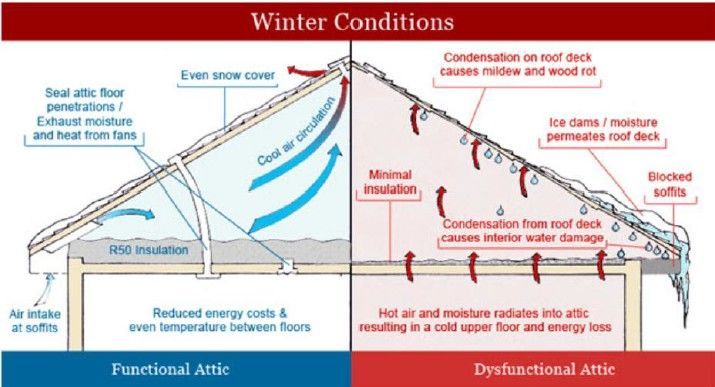
Roofing quality depends on much more than shingles. Proper installation includes decking evaluation, ventilation, flashing, drip edge, underlayment, sealing, fastening patterns, valleys, penetrations, and cleanup. Ask how the crew protects landscaping, siding, gutters, driveways, and outdoor living spaces during the project. You should also ask who supervises the work and how the company handles unexpected issues such as damaged decking or hidden leaks.
A skilled local roofing contractor will be able to explain their installation process step by step. They should also be willing to discuss the products they use and why those products fit your home. Quality workmanship helps prevent leaks, premature aging, ventilation problems, and warranty disputes. When a contractor takes time to discuss the details, it shows that they are focused on doing the job correctly rather than rushing through the project.
Evaluate Reviews
Reviews can give you helpful insight into a contractor’s reliability, professionalism, and service quality. Look for patterns instead of focusing on one unusually positive or negative comment. Consistent praise for punctuality, cleanliness, communication, honesty, and follow-through is a good sign. Repeated complaints about missed appointments, unclear pricing, poor cleanup, or unresolved problems should make you cautious.
It is also smart to ask for references or examples of recent projects. Photos, testimonials, and local referrals can help you understand the company’s work style. A reputable local roofing contractor should have customers who are willing to speak about their experience. When reviewing feedback, pay special attention to how the company responds to issues. Even good companies occasionally face challenges, but professional follow-up can reveal a lot about their values.
Understand Warranties
Roofing warranties can vary widely, so make sure you understand both the manufacturer warranty and the workmanship warranty. The manufacturer warranty typically covers product defects, while the workmanship warranty covers installation-related issues for a specific period. Ask what is covered, what is excluded, how long coverage lasts, and what steps you need to take if a problem appears after the project is complete.
Do not rely on verbal promises alone. Get warranty information in writing and keep it with your home records. You should also ask whether routine maintenance is required to keep coverage valid. A responsible contractor will explain the difference between material coverage and labor coverage, helping you avoid surprises. Clear warranty terms are another sign that the company stands behind its work.
Evaluate Professionalism
Professionalism includes more than technical ability. It shows up in punctuality, respectful communication, organized paperwork, safe jobsite practices, and clean project completion. The contractor should be willing to answer questions without pressuring you into an immediate decision. They should also be honest about whether your roof needs repair, maintenance, or replacement.
Pay attention to your overall experience during the selection process. If a contractor seems rushed, vague, dismissive, or unwilling to provide documentation, consider that a red flag. A roof is too important to leave to chance. Choose a company that respects your time, explains the work clearly, and treats your home as a priority from the first conversation through the final cleanup.
Choosing the right roofing professional takes time, but it is worth the effort. By verifying experience, confirming credentials, comparing detailed estimates, reviewing communication, checking workmanship standards, evaluating reviews, understanding warranties, and evaluating professionalism, you can make a more confident decision when hiring a local roofing contractor. The best choice is a contractor who combines skill, honesty, accountability, and local knowledge. For dependable roofing service from a team that values quality and customer care, contact New Life Contracting, Inc.