November 18, 2026
A roof rarely reaches the end of its useful life without showing changes along the way. Some, such as missing shingles, are obvious; others develop gradually where water collects. Recognizing the difference between normal weathering and signs of deterioration helps property owners respond before a small problem becomes widespread.
Age alone cannot determine a roof's condition. Materials, weather exposure, and previous damage influence its performance. Professional roofing services can help interpret those factors when a roof begins looking different or develops leaks. These signs can help explain what an aging roof may be revealing.
Changes in the Surface of Asphalt Shingles
Asphalt shingles endure sunlight, rain, wind, and seasonal temperature changes. With years of exposure, their surfaces can lose granules, leaving areas that look noticeably smoother or less uniform than surrounding sections. Some granule loss occurs naturally, but extensive bare patches may signal that the shingle's protective surface has deteriorated. Fading alone does not establish a loss of function.
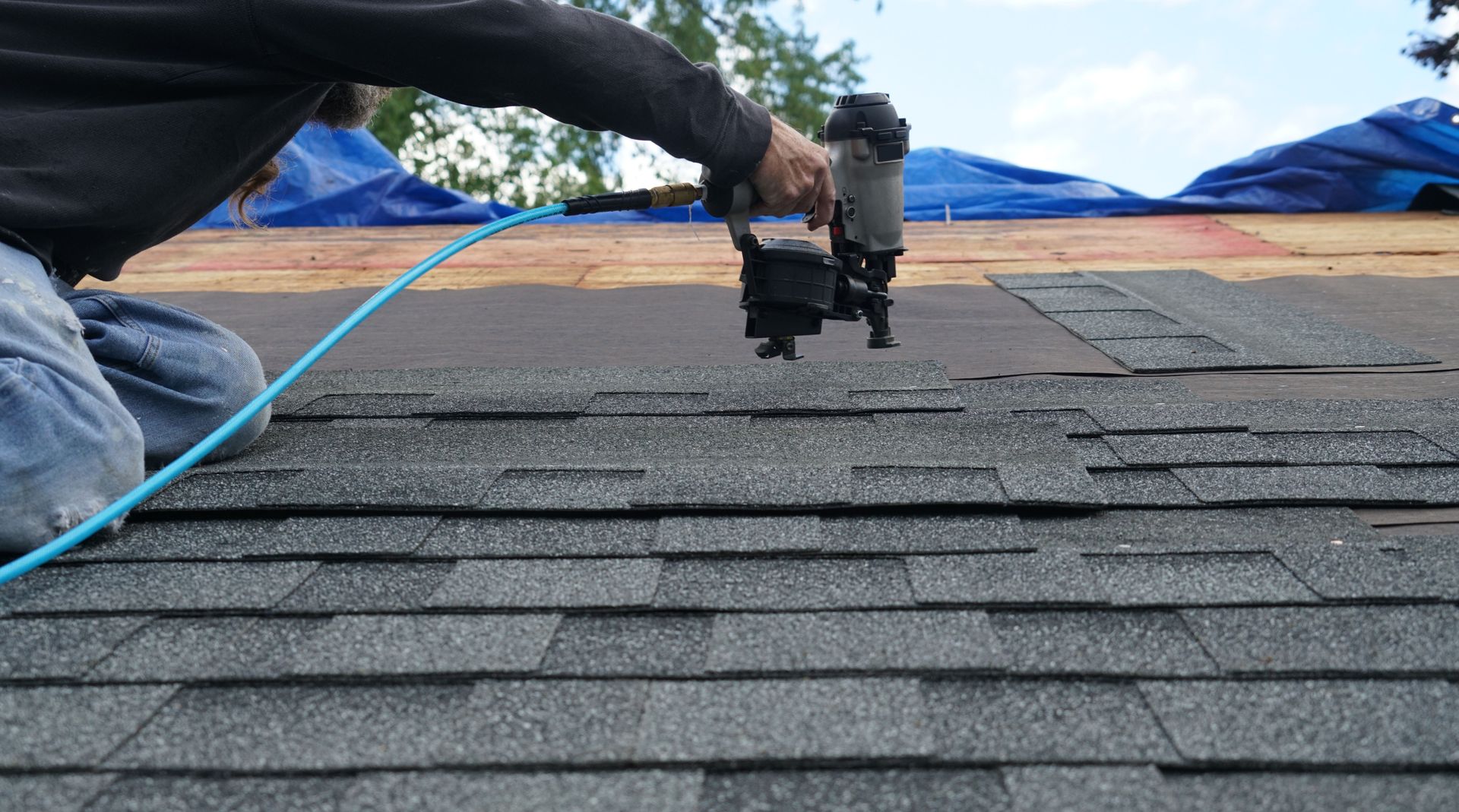
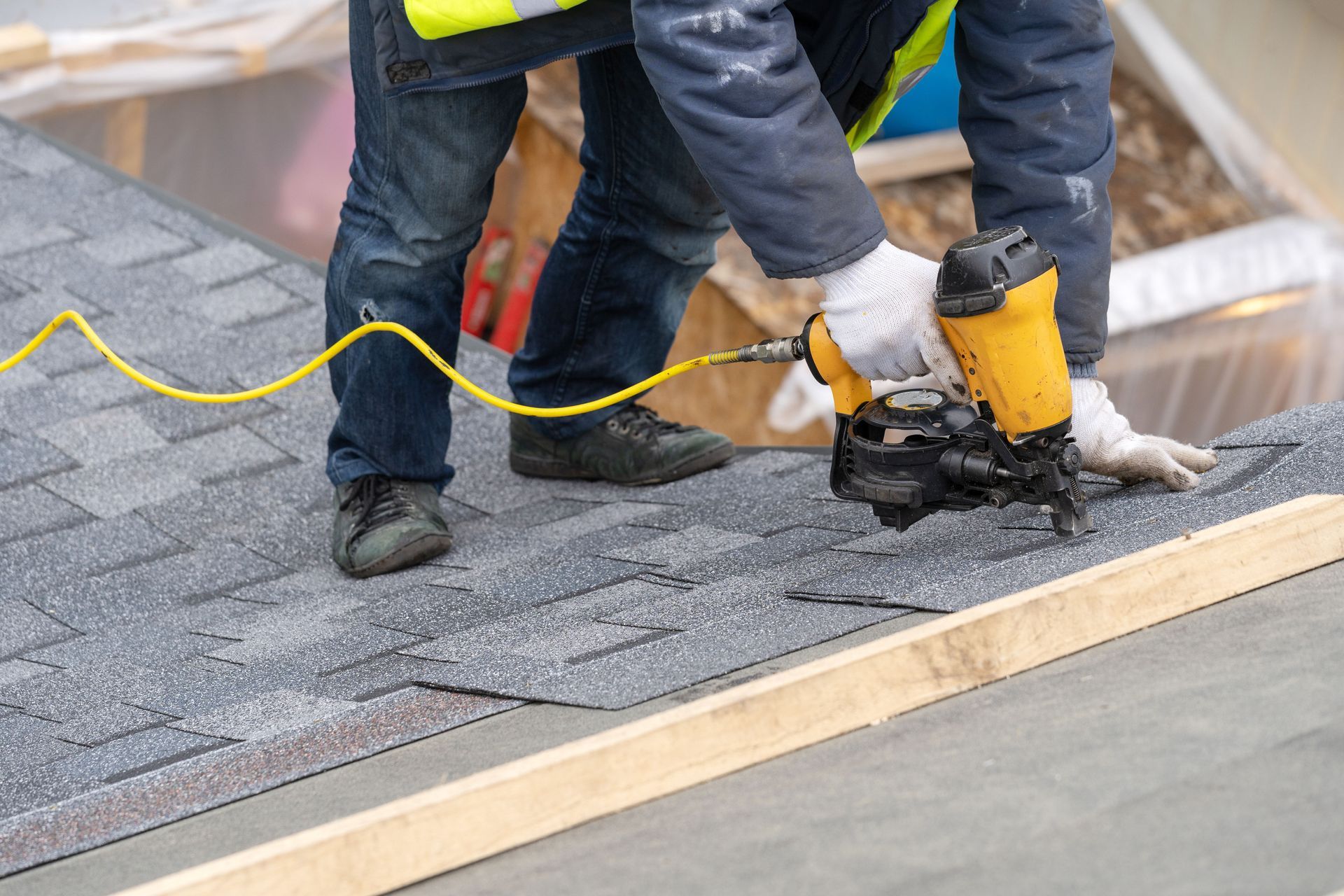
The pattern matters as much as the appearance. A small affected area might call for a targeted assessment, while similar deterioration across multiple roof slopes may suggest a broader problem. On a roof that is otherwise sound, roofing services may involve replacing damaged or missing asphalt shingles. Widespread wear, however, may make isolated repairs less practical.
Shingles That Curl, Crack, or Shift
Shingles are intended to lie in an arrangement that sheds water down the roof. As they deteriorate, some may curl at the edges, become brittle, or develop visible cracks. Others can loosen or go missing, particularly after periods of strong wind. These changes deserve attention because gaps and lifted edges can leave the layers beneath more exposed to moisture.
Not every displaced shingle is evidence of old age. A recent storm can damage an otherwise serviceable roof, and installation-related problems may create similar symptoms. Location, extent, and surrounding material condition help clarify the cause. If only a limited area is affected, replacing damaged shingles may be appropriate. Widespread curling and cracking, however, may indicate that the roofing material is approaching a point where another repair will provide only limited benefit.
Wear on Metal Roofing Components
Metal roofs age differently from asphalt systems. Their panels do not lose granules, but fasteners can loosen, sections can sustain damage, and corrosion may develop in vulnerable areas. Changes near seams or connections can be more important than the overall color of a panel. A small visible issue may be related to a detail that has to remain secure for the roof to function properly.
Aging signs should be interpreted in the context of the specific metal roof. Some surface changes are cosmetic, while deteriorating connections can affect its ability to resist water intrusion. Providers of roofing services that include metal roof repair can evaluate loose fasteners, affected panels, and corrosion before recommending an appropriate solution. The goal is to understand whether the problem is localized or part of more extensive deterioration, without assuming that an older metal roof automatically requires replacement.
Interior Stains and Recurring Leaks
An aging roof may first draw attention inside the building. Water staining on a ceiling, damp spots near an upper wall, or repeated leaks during rain can suggest that moisture is finding its way through the roof assembly. However, a stain does not identify its entry point. Water may travel along framing or other materials before becoming visible in a room.
Leak detection is more useful than choosing repairs based solely on interior stains. A roofer can investigate the roof and identify where water is entering before selecting a repair. When considering roofing services for a recurring leak, explain when it appears, whether it follows particular weather conditions, and whether previous work has addressed the same concern. These details help identify recurring deterioration. Persistent moisture also deserves timely attention because damage may extend beyond the visible stain.
Deterioration Along Roof Valleys
Roof valleys bring runoff from adjoining slopes into a concentrated path. Because water moves through these areas regularly, their condition has an important influence on the roof's overall performance. Damaged shingles, worn materials, or deterioration where sections meet may raise the likelihood of leaks even when the broader roof still appears intact.
Valleys are also easy to overlook when most attention goes to large, visible roof surfaces. Shingles across the slopes may remain serviceable even when valley repairs are needed. Targeted roofing services can address deterioration along a valley without replacing unaffected sections. If water intrusion keeps returning near one of these areas, an evaluation can help determine whether the issue is limited to the valley or reflects wear elsewhere. This avoids treating every leak as evidence that the entire roof is failing.
The Effects of Repeated Winters and Ice Dams
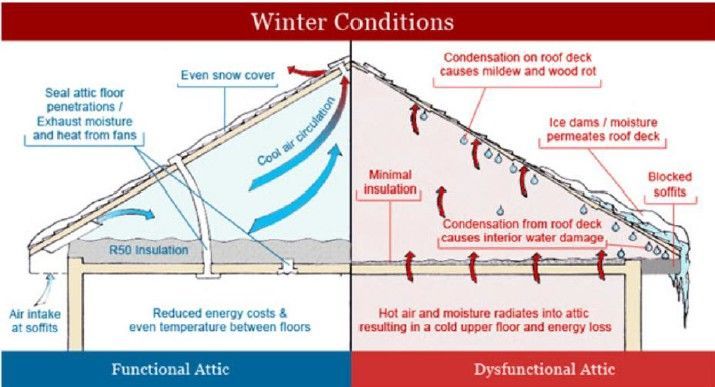
Cold weather introduces challenges that are not always apparent during warmer months. Ice dams can form near roof edges when melting snow refreezes, creating a barrier that interferes with drainage. Water may then back up beneath roofing materials and enter the building. Although an ice dam is not proof that a roof has reached the end of its life, repeated episodes can expose weaknesses and contribute to damage over time.
Older or already damaged roof sections may be especially vulnerable when winter conditions compound existing problems. Professional ice dam removal can address an immediate buildup, while roofing assessment can establish whether there is associated material damage needing repair. Removing an ice dam does not reverse deterioration in roofing materials. An ice dam also does not automatically warrant replacement.
Telling Storm Damage Apart From Gradual Aging
Storm damage can resemble ordinary deterioration, particularly when older materials are involved. Wind may tear away shingles that were previously secure, while hail or falling debris can damage surfaces abruptly. By contrast, long-term wear often develops across areas exposed to years of weather. Both can be present on the same roof, making a simple explanation difficult without an assessment.
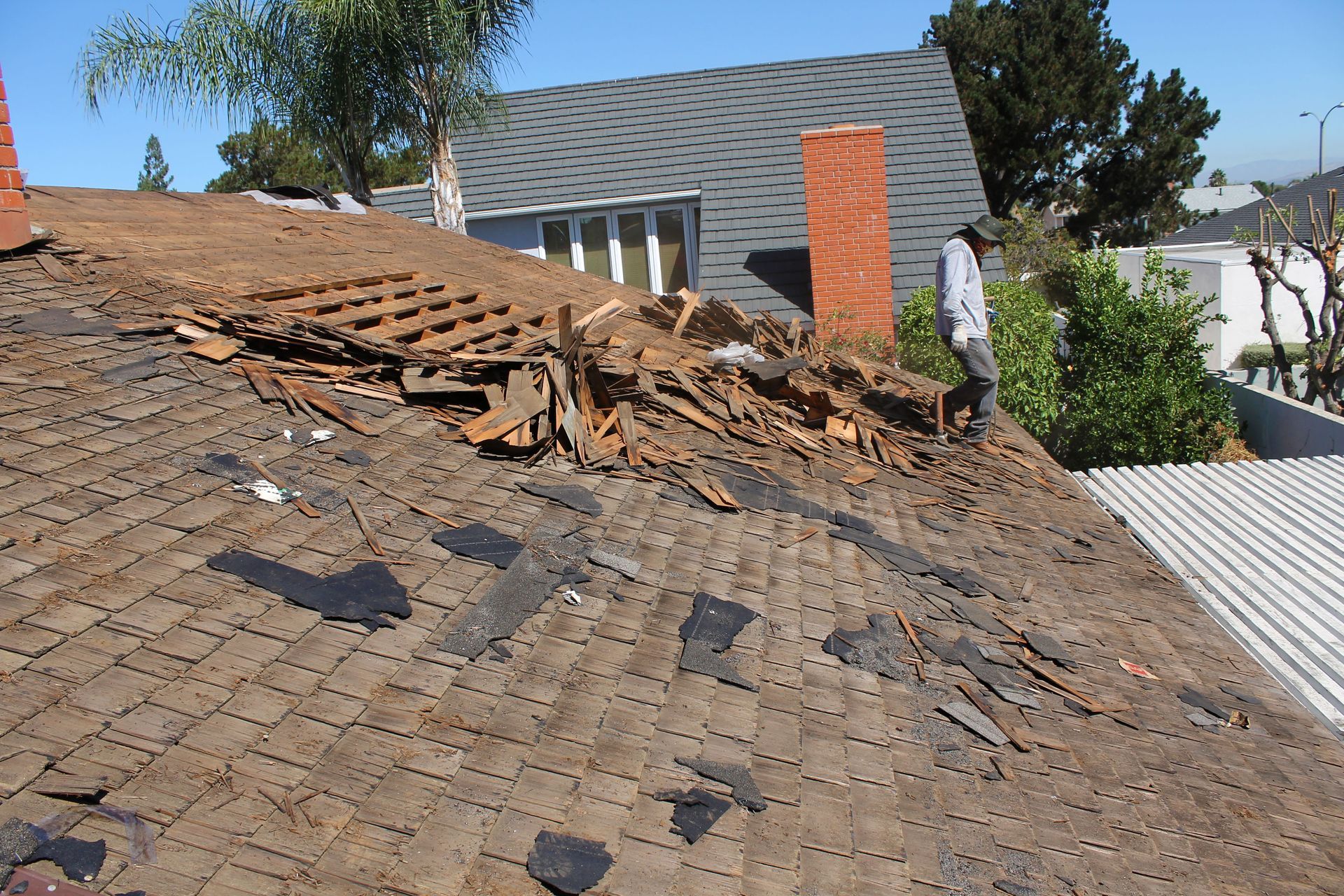
A storm damage specialist can document the condition of affected sections and help determine which repairs relate to a recent event. For homeowners seeking roofing services after severe weather, the important question is what has changed and what remains functional. Temporary emergency protection, such as tarping, may be appropriate if the roof is exposed, followed by evaluation and permanent repair planning. Urgent protection does not mean the entire roofing system needs replacement.
Recognizing When Repairs May No Longer Be Enough
A roof with isolated damage may have useful life remaining. The decision becomes more complicated when leaks recur in different places, large sections show similar deterioration, or repairs repeatedly address symptoms without resolving the broader condition. An inspection can help establish whether targeted work remains sensible or whether a replacement should be discussed.
According to RubyHome, roughly five million roofs are installed across the United States in a typical year. That scale reflects how common roofing work is, but it does not mean every weathered roof needs a new installation. Material condition and the extent of deterioration matter more than national figures. This is where roofing services must match the actual condition: isolated, repairable damage is different from widespread material failure. That clarity helps owners make a decision based on their actual roof rather than its age alone.
An aging roof does not always announce itself through a dramatic failure, and visible wear does not automatically mean replacement is necessary. Paying attention to changes and seeking a qualified assessment can make the next decision more informed. Our team at New Life Contracting provides roof repairs, leak detection, storm damage work, and roof installation for properties with different needs. Contact us to discuss the condition of your roof and request a free estimate.