July 18, 2026
Replacing a roof is one of the most significant improvements a homeowner can make to protect a property from weather, moisture, and long-term structural damage. While the process may seem overwhelming at first, understanding each stage can help you feel more confident and prepared from the initial inspection through the final cleanup. Working with experienced roofing contractors also helps ensure every step is completed safely and according to industry standards.
A roof replacement involves much more than installing new shingles. It includes evaluating the existing roof, selecting appropriate materials, protecting your property during construction, and carefully inspecting the finished work. Knowing what happens throughout the project allows homeowners to make informed decisions and avoid unnecessary surprises. When you know what to expect before the first crew member arrives, you can better prepare your household, protect your belongings, and feel more confident about the investment you are making in your home.
Preparing for Your Roof Replacement
Scheduling an Inspection and Estimate
Every successful roof replacement begins with a thorough inspection. During this visit, professionals examine the roof's condition, identify damaged areas, check for moisture problems, and evaluate the decking beneath the roofing materials. This assessment determines whether a complete replacement is the best solution or if repairs may still be possible.
After the inspection, homeowners receive an estimate outlining the proposed work, material options, expected timeline, and overall project cost. Reputable roofing contractors explain each recommendation clearly so property owners understand exactly what is included before work begins. This is also an excellent opportunity to discuss warranties, payment options, and any concerns about scheduling or access to the property before the project officially starts.
Choosing Materials That Fit Your Home
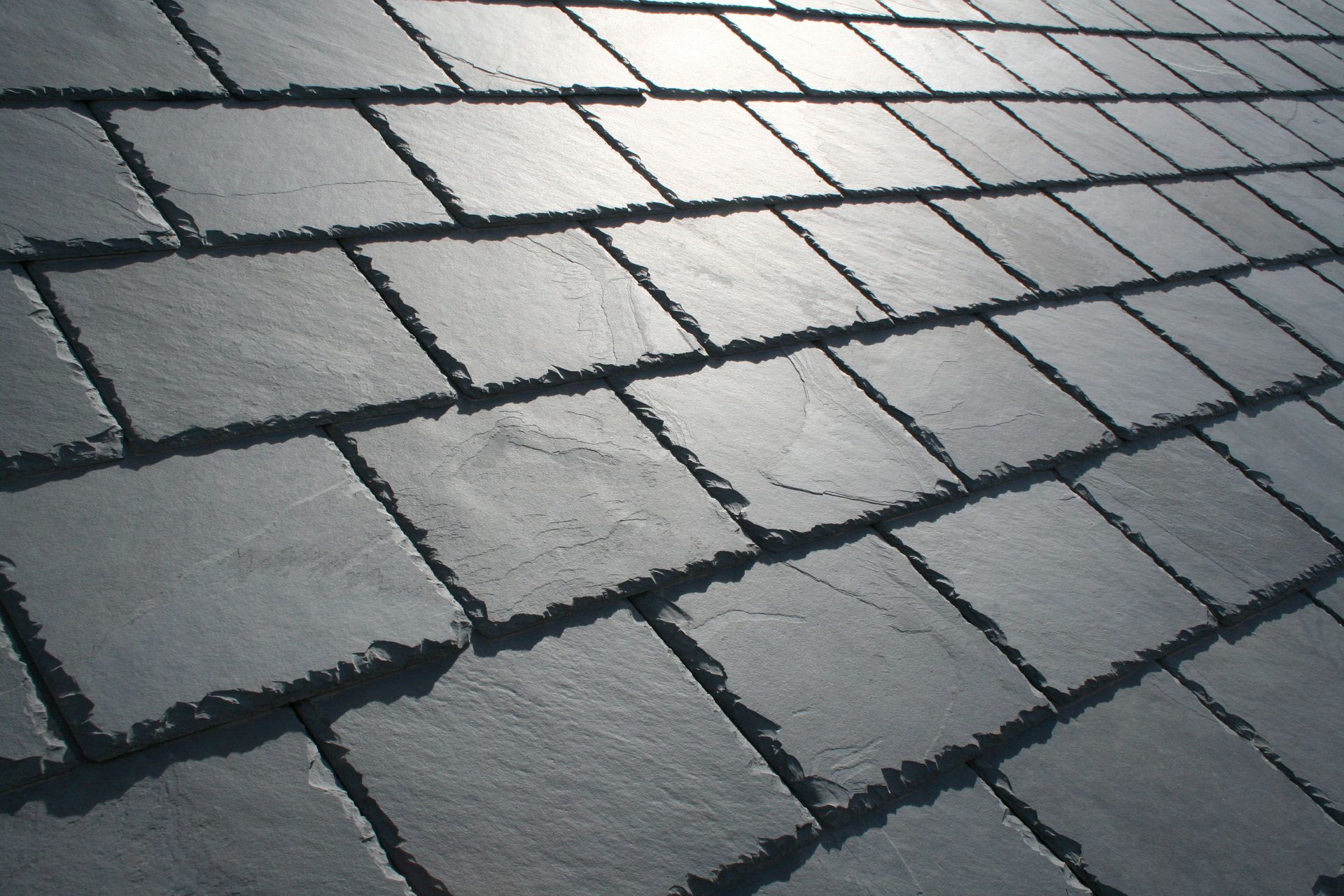
Selecting roofing materials is another important part of the planning process. Asphalt shingles remain a popular choice because they offer durability and value, but homeowners may also consider architectural shingles or other roofing systems depending on their budget and long-term goals.
The material selection should complement the home's appearance while providing dependable protection against local weather conditions. Experienced professionals can explain the advantages of different products, expected maintenance requirements, warranty options, and projected service life so homeowners can choose with confidence. Taking the time to compare colors, styles, and manufacturer warranties can also help ensure the finished roof enhances both curb appeal and long-term value.
Preparing Your Property Before Work Begins
Before installation starts, homeowners can take several simple steps to help the project proceed smoothly. Vehicles should be moved away from the work area, outdoor furniture relocated if necessary, and fragile decorations inside the home secured since vibrations may occur during the removal of old roofing materials.
Clear communication also helps everyone stay informed. Professional roofing contractors explain when the crew will arrive, where materials will be placed, and what homeowners should expect throughout each stage of the project. Setting expectations early helps minimize disruptions and creates a more organized experience. If children or pets will be home during construction, prior planning can make the workday more comfortable and help everyone remain safe while the project is underway.
Understanding What Happens During Installation
Removing the Existing Roof
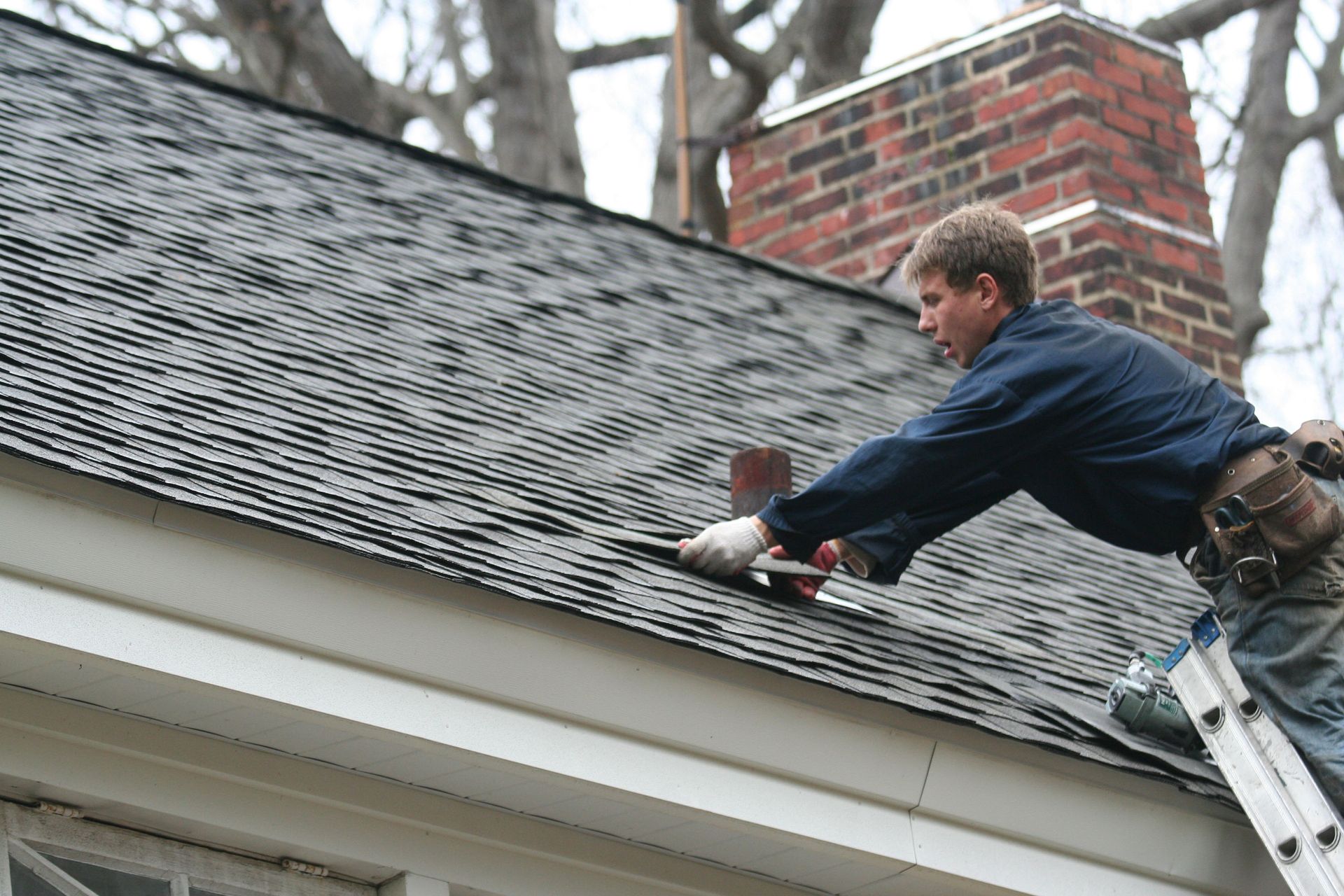
The first construction phase involves removing the existing roofing materials. Crews carefully strip away old shingles, underlayment, flashing, and damaged components until the roof deck is fully exposed. This step allows hidden problems that were not visible from the surface to be identified and corrected before new materials are installed.
Once the old roof has been removed, the decking is inspected for rot, water damage, or weakened sections. Any compromised areas are replaced to create a solid foundation that supports the new roofing system for years to come. Addressing these issues before installation continues helps reduce the likelihood of future structural problems and contributes to the overall durability of the finished roof.
Installing the New Roofing System
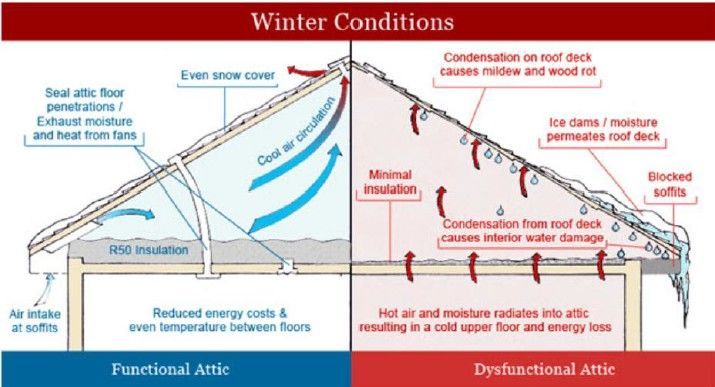
With the roof deck prepared, installation begins by adding protective underlayment, moisture barriers, flashing around vulnerable areas, and proper ventilation components. These elements work together to improve water resistance and help maintain the overall performance of the roof.
The primary roofing material is then installed according to manufacturer specifications and industry best practices. Attention to detail during this phase is essential because proper alignment, fastening, and sealing contribute to the roof's durability and weather resistance. Skilled roofing contractors focus on craftsmanship throughout the installation rather than rushing to complete the project. Throughout the process, supervisors often inspect the work to confirm that each stage meets quality expectations before the next phase begins.
Understanding the Project Timeline
One of the most common questions homeowners ask concerns how long the project will last. According to HomeGuide, replacing a roof generally requires one to eight days, with the schedule depending on factors such as roofing material, roof size, pitch, and overall job complexity. Weather conditions can also influence the final timeline.
Although unexpected issues occasionally arise after the old roof is removed, experienced roofing contractors communicate any changes promptly and explain how additional repairs may affect the schedule. Keeping homeowners informed throughout the process helps reduce uncertainty and builds confidence in the work being completed. Regular updates also allow homeowners to plan around temporary disruptions while maintaining realistic expectations for project completion.
Finishing the Project and Protecting Your Investment
Conducting a Thorough Cleanup
A quality roof replacement does not end when the last shingle is installed. Cleanup is an important part of the project and demonstrates a contractor's commitment to professionalism. Crews remove discarded roofing materials, collect nails with specialized magnetic equipment, and clear debris from the surrounding property.
Protecting landscaping, driveways, and outdoor living areas throughout the project also helps preserve the condition of the property. Leaving the site clean allows homeowners to immediately enjoy the benefits of their newly installed roof without additional cleanup responsibilities. A careful cleanup also reduces safety hazards and ensures your yard is ready to use once the work has been completed.
Completing the Final Inspection
After installation and cleanup are finished, the completed roof undergoes a final inspection. This review verifies that shingles are properly aligned, flashing has been securely installed, ventilation components are functioning correctly, and all workmanship meets quality standards.
Homeowners also have the opportunity to ask questions about maintenance, warranties, and future inspections. Reliable roofing contractors take time to explain how to care for the new roof and identify warning signs that should be addressed promptly if they appear years later. Receiving documentation related to warranties and completed work also provides valuable records for future maintenance or potential home sales.
Maintaining Your New Roof for Long-Term Performance
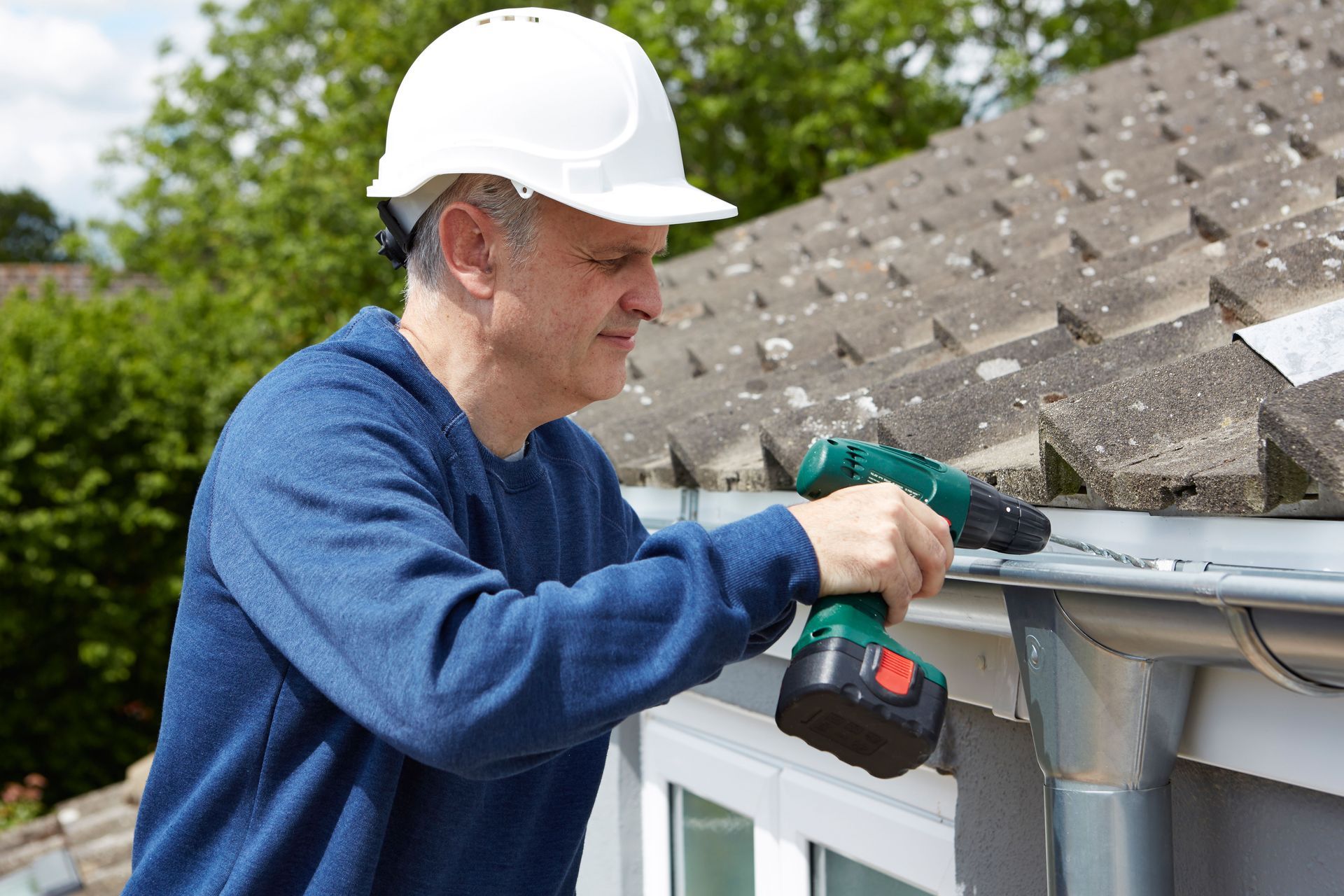
A newly installed roof can provide dependable protection for many years when properly maintained. Routine inspections, especially after severe storms, allow homeowners to catch minor issues before they develop into larger problems. Keeping gutters clean, removing debris from the roof surface, and trimming overhanging branches also contribute to the roof's longevity.
Scheduling periodic professional inspections offers additional peace of mind because trained experts can identify subtle signs of wear that may not be obvious from the ground. Establishing a long-term maintenance plan with trusted roofing contractors helps protect your investment while extending the life of your roofing system. Consistent maintenance can also help preserve warranty coverage and reduce the likelihood of unexpected repair costs over the years.
Understanding what happens before, during, and after a roof replacement makes the entire experience less stressful and more predictable. From the initial inspection and material selection to installation, cleanup, and ongoing maintenance, every stage contributes to the long-term performance of your new roof. Choosing experienced roofing contractors who communicate clearly, deliver quality workmanship, and stand behind their services helps ensure your home receives reliable protection for years to come while giving you confidence that your investment will continue to provide lasting value. If you're a property owner looking for qualified experts to replace your roof, reach out to New Life Contracting, Inc.