February 27, 2026
Whether you’re sipping coffee on your porch or watching a summer storm roll in from the safety of your living room, your roof is likely the last thing on your mind—until it starts leaking. It’s easy to treat the roof as a "set it and forget it" part of the house, but that overhead shield is actually a complex system that requires a bit of love and attention to stay functional. Taking care of your home is a labor of love, and staying ahead of potential issues can save you from the massive headache of an emergency repair in the middle of the night.
Think of your roof like a high-quality pair of boots. If you walk through mud and never clean them, the leather cracks. If you never replace the soles, eventually your feet get wet. Your home is no different. By following a few straightforward steps, you can extend the life of your shingles and keep your family dry. If you find yourself staring up at a mystery stain on the ceiling, reaching out to a local roofing contractor is the best way to get an honest assessment of what’s happening up there.
Inspecting Your Shingles For Visual Signs Of Wear
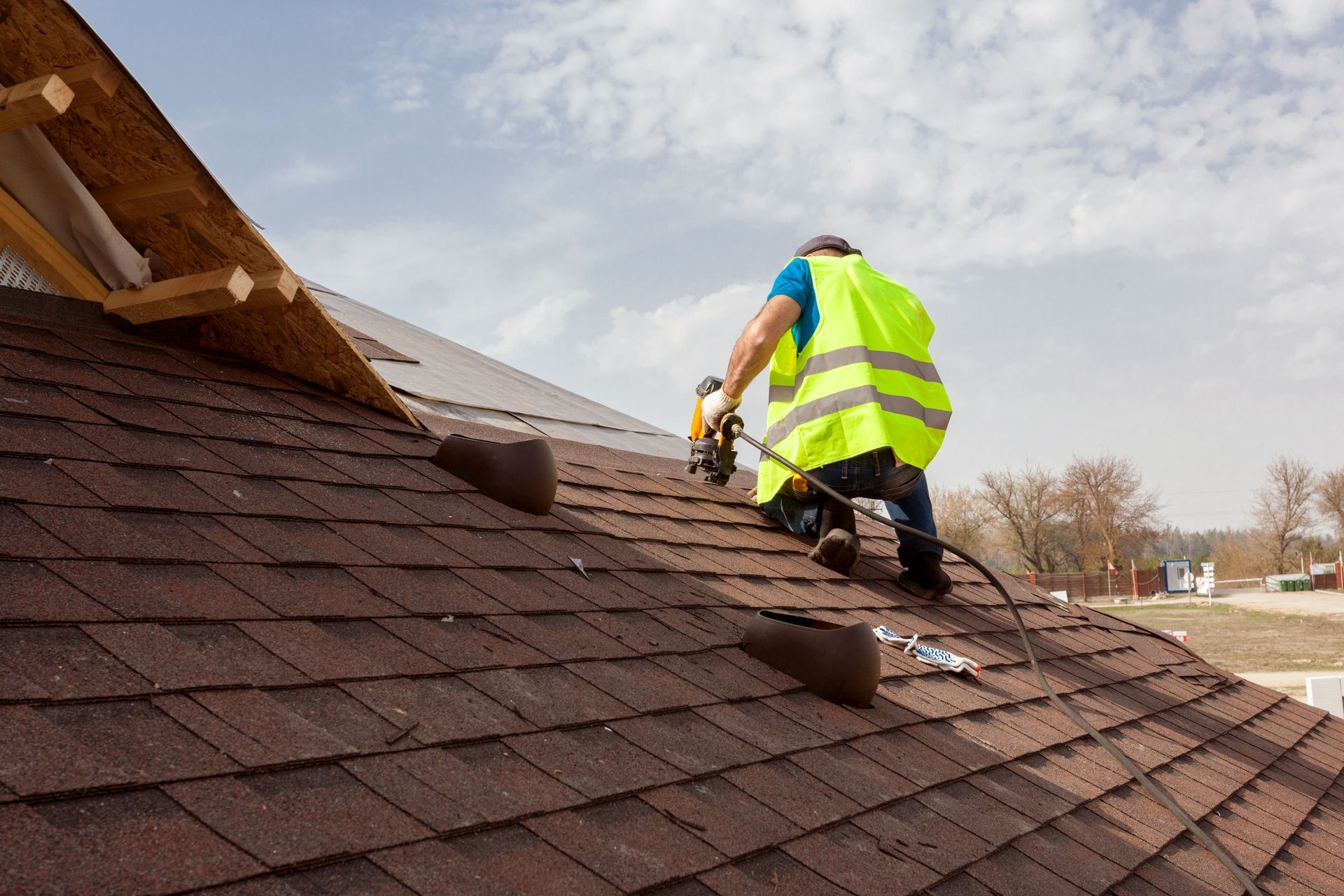
The easiest way to maintain your roof doesn't even require a ladder. You can do a lot of good just by walking around your yard and looking up. After a heavy windstorm or a particularly brutal winter, take a stroll and check for shingles that look out of place. Are they curling at the edges? Are there "bald" spots where the protective granules have rubbed off? These granules are like sunscreen for your roof; once they’re gone, the sun’s UV rays can bake the asphalt until it becomes brittle and cracks.
If you spot a shingle sitting in your grass after a storm, that’s a clear SOS signal from your house. Don't ignore it. Even one missing shingle can allow water to seep into the underlayment, eventually rotting the wood beneath. If the view from the ground isn't clear enough, or if you have a multi-story home with complex angles, calling in a local roofing contractor to fly a drone or perform a physical walk-through is a smart move. They have the "roof eyes" to see small cracks that the rest of us might miss.
Clearing Debris From Gutters And Downspouts Regularly
I know, cleaning the gutters is nobody’s favorite weekend chore. It’s messy, it’s wet, and it usually involves a few spiders. However, your gutters are the primary drainage system for your entire roofing structure. When they get clogged with leaves, twigs, and "helicopter" seeds, water has nowhere to go. During a heavy rain, that water backs up, seeping under the edge of your shingles and into the fascia boards.
Beyond just rot, clogged gutters are a primary cause of ice dams in colder climates. When water freezes at the edge of the roof because it can't drain, it creates a literal dam that forces melting snow back up under your shingles. Keeping those channels clear ensures that water stays on the path of least resistance: away from your foundation. If you aren't comfortable on a ladder, a local roofing contractor often provides gutter cleaning and reinforcement services as part of a general maintenance package.
Trimming Overhanging Tree Branches Away From The Surface
Trees add a beautiful aesthetic and much-needed shade to a property, but they can be a roof’s worst enemy if they’re too close. Think of a heavy branch like a giant piece of sandpaper. When the wind blows, those branches rub against your shingles, scraping off the protective coating and eventually wearing a hole right through the material. Furthermore, overhanging limbs provide an easy "bridge" for squirrels, raccoons, and other critters to climb onto your roof and look for a way inside.
It's generally recommended to keep branches at least five to ten feet away from your roofline. This not only prevents physical damage from rubbing but also reduces the amount of shade on the roof. While shade is great for your energy bill, a roof that never gets sunlight stays damp longer, which creates the perfect environment for moss and algae to grow. If you're worried about a particularly large limb hanging over your home, a local roofing contractor can help you determine if it's already caused structural damage that needs addressing.
Removing Moss and Algae Growth Before It Spreads
Have you ever noticed those dark, streaky stains on a neighbor's roof? Or perhaps a patch of bright green moss growing in a shaded corner? While it might look "fairytale-esque," it’s actually a sign that your roof is being eaten. Moss acts like a sponge, holding moisture against the shingles and roots into the material, causing them to lift. Once shingles lift, the wind can catch them easily, and water can find its way underneath.
Cleaning moss isn't as simple as hitting it with a high-pressure power washer—in fact, please don't do that! High pressure can strip the granules right off your shingles, doing more harm than good. Instead, professional cleaning solutions or zinc strips can be used to kill the growth safely. Because working with chemicals on a slippery, sloped surface is inherently dangerous, this is a task often best left to a local roofing contractor who has the right safety gear and soft-wash equipment.
Checking Attic Ventilation To Prevent Heat Buildup
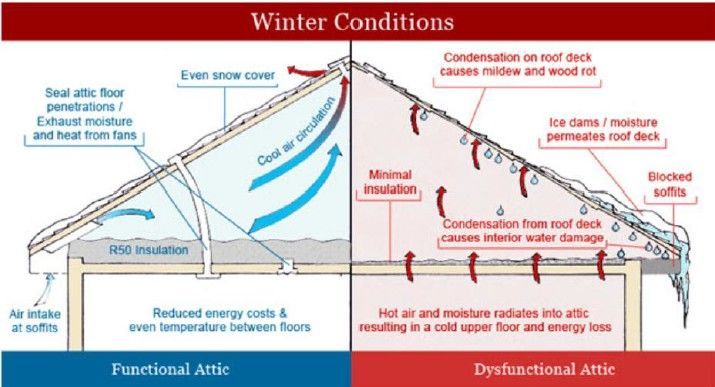
It might seem strange to talk about the inside of your house when discussing roof maintenance, but your attic and your roof are inextricably linked. A roof needs to breathe. If your attic isn't properly ventilated, heat and moisture build up during the summer, essentially "cooking" your shingles from the inside out. This causes them to age prematurely and can lead to significant warping.
In the winter, a poorly ventilated attic stays too warm, which contributes to the ice damming issues we mentioned earlier. You want your attic temperature to be as close to the outside temperature as possible. Check your soffit vents to make sure they aren't blocked by insulation, and ensure your ridge vents are clear of debris. If you’re noticing a spike in your cooling bills or your upstairs rooms feel like a sauna, a local roofing contractor can evaluate your ventilation system to see if you need additional vents or a solar fan.
Resealing Flashing Around Chimneys And Plumbing Vents
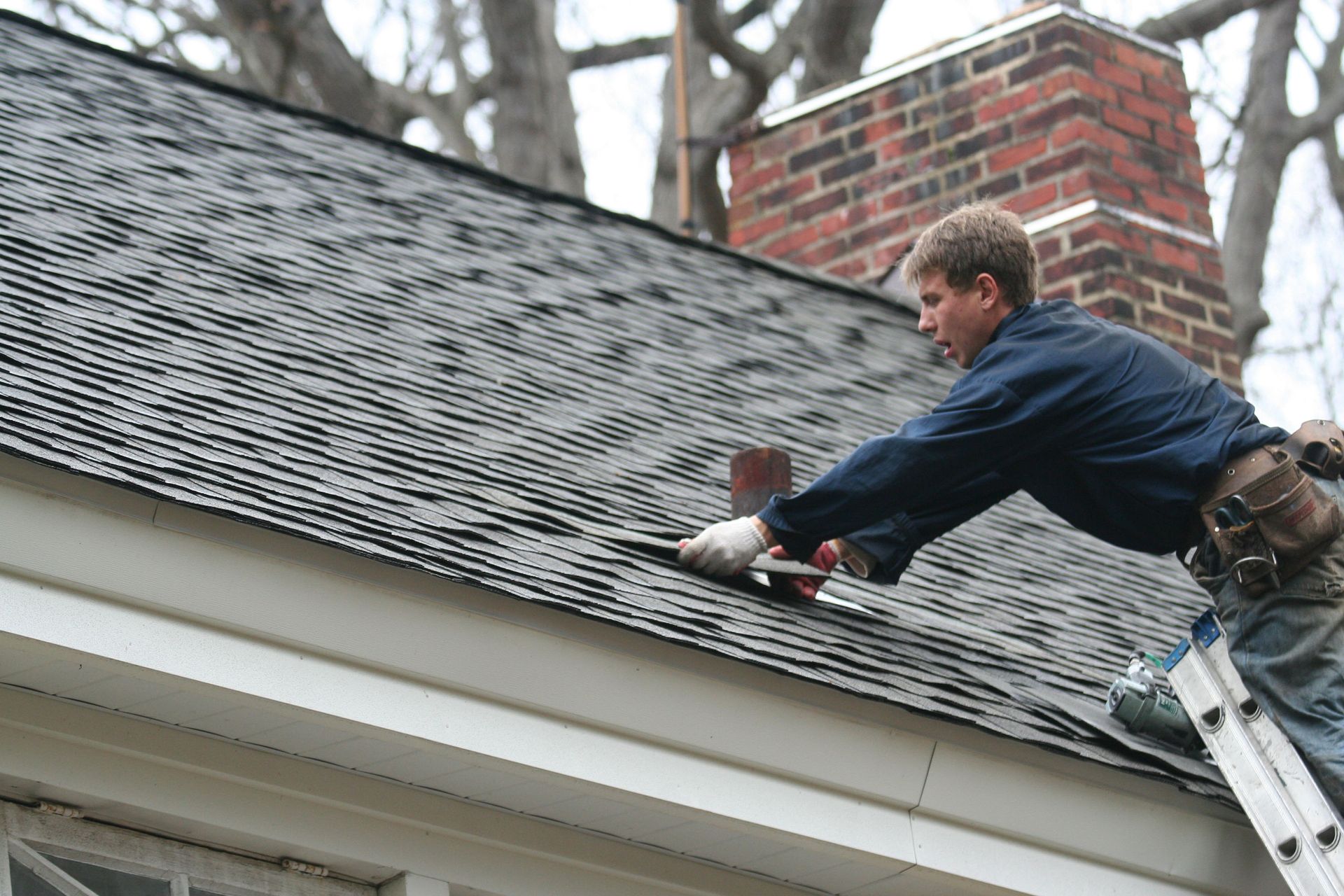
Most leaks don't actually start in the middle of a shingle; they start at the joints. Flashing is the thin metal material installed at the "interruptions" of your roof—places like chimneys, skylights, and vent pipes. Over time, the sealant or caulk used to keep these areas watertight can dry out, crack, and pull away. Because these areas handle a high volume of water runoff, even a tiny gap in the flashing can lead to a significant interior leak.
During your visual inspections, pay close attention to these metal bits. Look for rust, loose nails, or gaps where the metal meets the roof or the brick. Dealing with a flashing issue early is a relatively inexpensive fix, but waiting until the ceiling is dripping can cost thousands. If you aren't sure what you're looking at, asking a local roofing contractor to do a "tune-up" usually involves them walking the roof and resealing these high-risk areas as a preventative measure.
Scheduling Professional Inspections For Long-Term Structural Health
While DIY checks are fantastic for catching obvious problems, there is simply no substitute for a professional set of eyes. According to This Old House, homeowners should schedule professional inspections every few years. A pro knows how to check the integrity of the decking, look for signs of "telegraphing" (where the wood underneath is bowing), and can identify manufacturer defects that a layperson would never notice.
Professional inspections provide peace of mind. They give you a baseline for the health of your home and help you budget for the future. Instead of being blindsided by a $15,000 roof replacement, a pro can tell you, "You've probably got three to five years left, so let's keep an eye on these specific spots." This honesty is why building a relationship with a local roofing contractor is so valuable. They aren't just there to sell you a new roof; they’re there to help you maintain the one you have for as long as possible.
Maintaining your home is a marathon, not a sprint. By keeping your gutters clear, your trees trimmed, and your attic cool, you’re doing the heavy lifting to ensure your home stays a safe haven for your family. Don't wait for the clouds to turn gray to start thinking about what's over your head. If you need a hand or just want a professional opinion on the state of your shingles, reach out to New Life Contracting, Inc.