March 19, 2026
Maintaining the integrity of your home starts from the top down, which is why understanding the nuances of roof care is essential for every homeowner. Your roof is the primary barrier against the elements, shielding your family and possessions from rain, wind, and extreme temperatures. Without a consistent maintenance strategy, even the highest quality materials can succumb to wear and tear prematurely. Engaging with a local roofing contractor is often the best way to ensure that your home remains protected throughout the changing seasons. By taking a proactive approach to care, you can extend the lifespan of your shingles and avoid the stress of sudden, emergency repairs. This guide offers professional insights into how you can keep your roofing system in peak condition for decades to come.
Understand the Specific Needs of Your Roofing Material
Every roofing material comes with its own set of strengths and maintenance requirements. Whether you have asphalt shingles, metal panels, or cedar shakes, the approach to cleaning and repair will vary significantly. Asphalt shingles, for example, are prone to granule loss over time, while metal roofs may require inspections of the fasteners and sealants to prevent leaks. A local roofing contractor can provide specific advice tailored to the material currently installed on your home. Knowing what to look for based on your specific roof type allows you to spot minor issues before they evolve into structural problems. It is also important to recognize that different materials react differently to local weather patterns, making specialized knowledge invaluable.
Keep Your Gutter System Clear and Functional
One of the most critical aspects of roof maintenance actually happens at the edges of the roofline. Gutters and downspouts are designed to direct water away from the roof and the foundation of the house. When these channels become clogged with leaves, twigs, and debris, water can back up under the shingles, leading to rot and interior leaks. Regularly cleaning your gutters at least twice a year is a simple task that prevents significant water damage. If you find that your gutters are constantly overflowing despite being clean, they may be improperly pitched or undersized for your roof’s surface area. Consulting a local roofing contractor can help you determine if your drainage system is adequate for your home’s needs. Proper drainage is the first line of defense against water intrusion, and keeping these pathways clear is a fundamental part of home ownership that pays dividends in the long run by protecting your siding and foundation as well.
Perform Regular Visual Inspections From the Ground
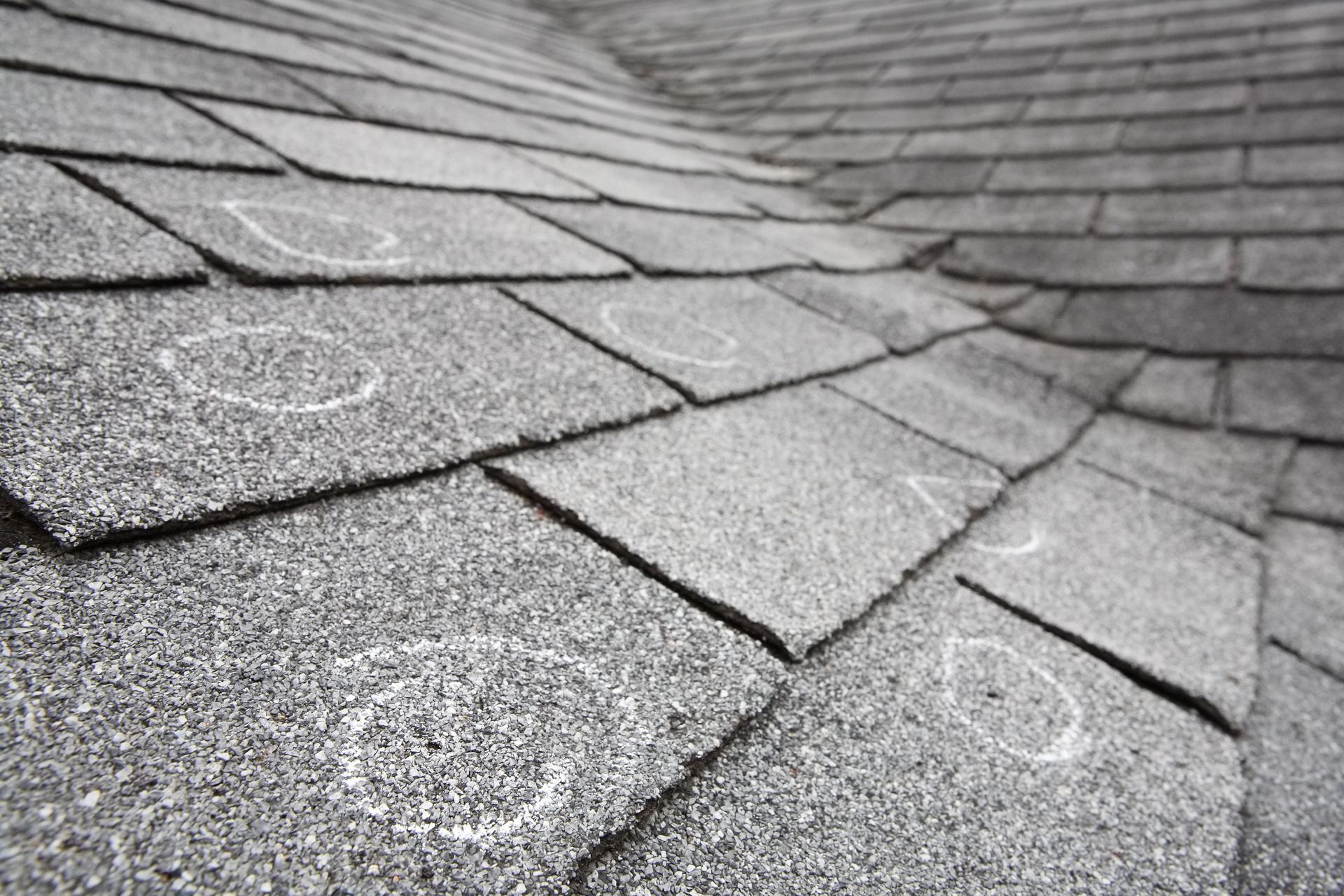
You do not necessarily need to climb a ladder to stay on top of your roof's health. Performing a visual sweep from the ground using binoculars can reveal many common issues that require attention. Look for shingles that are cracked, curling at the edges, or entirely missing. Check the valleys of the roof for an accumulation of debris, as these areas are high-traffic zones for water runoff and are susceptible to leaks if blocked. You should also keep an eye out for "bald spots" where granules have washed away, as this exposes the underlying bitumen to harmful UV rays. If you notice any of these red flags, reaching out to a local roofing contractor for a closer look is a wise next step to protect your investment. Catching these problems early allows for simple patches rather than the massive structural overhauls that occur when water is allowed to seep into the decking for months on end.
Trim Overhanging Tree Branches Near the Roofline
Trees provide excellent shade and curb appeal, but they can pose a threat to your roof if they are not properly maintained. Overhanging branches can scrape against shingles during high winds, stripping away protective granules and even puncturing the roof surface. Furthermore, trees provide an easy pathway for pests like squirrels and raccoons to access your attic. Dropped leaves and pine needles also contribute to gutter clogs and can trap moisture against the roof, promoting the growth of moss and algae. Ensuring that branches are trimmed back at least several feet from the house is a standard recommendation from any local roofing contractor. This simple landscaping task reduces the risk of impact damage during storms and keeps your roof surface dry and clear. Beyond physical damage, limiting the shade on your roof helps it dry faster after a heavy rain, which naturally discourages the growth of damaging organic matter like lichen.
Schedule Professional Inspections for Deep Assessments
While DIY checks are helpful, there is no substitute for the trained eye of a professional who knows exactly where leaks like to hide. According to This Old House, homeowners should schedule professional inspections every few years. These experts can walk the roof safely and check the integrity of the flashing around chimneys, skylights, and vents, which are the most common points of failure. They can also identify subtle signs of hail damage or wind uplift that might be missed by an untrained observer. By having a local roofing contractor perform a formal assessment, you gain peace of mind and a documented history of care that can be beneficial for insurance purposes or future home sales. Professional oversight ensures that small vulnerabilities are sealed before they become expensive liabilities. These deep dives go beyond the surface, looking at the structural health of the underlying wood and the effectiveness of previous repairs to ensure the system is cohesive.
Address Minor Repairs Immediately to Prevent Escalation
The biggest mistake a homeowner can make is ignoring a small leak or a few missing shingles because they seem insignificant. Water is persistent and will find the path of least resistance into your home's framework. Once moisture penetrates the outer layer, it can lead to mold growth, rotted decking, and compromised insulation within a very short period. Promptly hiring a local roofing contractor to patch small holes or replace damaged flashing is a cost-effective way to manage your home. Taking care of these "micro-repairs" as they arise prevents the need for a full roof replacement years earlier than expected. Consistent vigilance and quick action are the hallmarks of a responsible homeowner who values the longevity of their property. When you handle these small tasks quickly, you keep your maintenance costs predictable and avoid the sudden financial burden that comes with a catastrophic failure during a major storm event.
Plan for Future Replacement Before Emergencies Arise
Even with the best maintenance, every roof has a finite lifespan. Part of professional maintenance is understanding the remaining life expectancy of your system so you can budget for its eventual replacement. Instead of waiting for a total failure that results in interior water damage, a proactive homeowner works with their chosen professional to identify the right time for a new installation. This allows you to choose your materials, color, and scheduling without the pressure of an active leak. By staying ahead of the curve, you ensure your home remains an asset rather than a liability. A
local roofing contractor can help you compare different modern materials that might offer better energy efficiency or storm resistance than your current roof. This forward-thinking approach transforms roof replacement from a stressful emergency into a planned home improvement project that increases your property value and provides long-term security.
Professional roof maintenance is an ongoing process that requires a combination of personal observation and expert assistance. By keeping your gutters clean, managing nearby foliage, and ensuring your attic is well-ventilated, you create a healthy environment for your roofing system to thrive. Remember that your roof is a complex assembly of components that all need to work in harmony to keep you dry and safe. For comprehensive support and expert care, trust the team at New Life Contracting, Inc to handle all your roofing needs. Contact New Life Contracting, Inc today to learn more about our maintenance services or to schedule your next professional assessment.